Introduction
Embark on a journey exploring the intricate interplay between culture, lifestyle, and classic kitchen design. This article delves into the fascinating influence of these factors on shaping kitchen aesthetics.
+601129280367

The design of classic kitchens is a canvas where culture and lifestyle blend seamlessly. By integrating colors, materials, and elements that hold significance, homeowners create kitchen spaces that are not only aesthetically pleasing but also deeply meaningful and reflective of their unique identities.
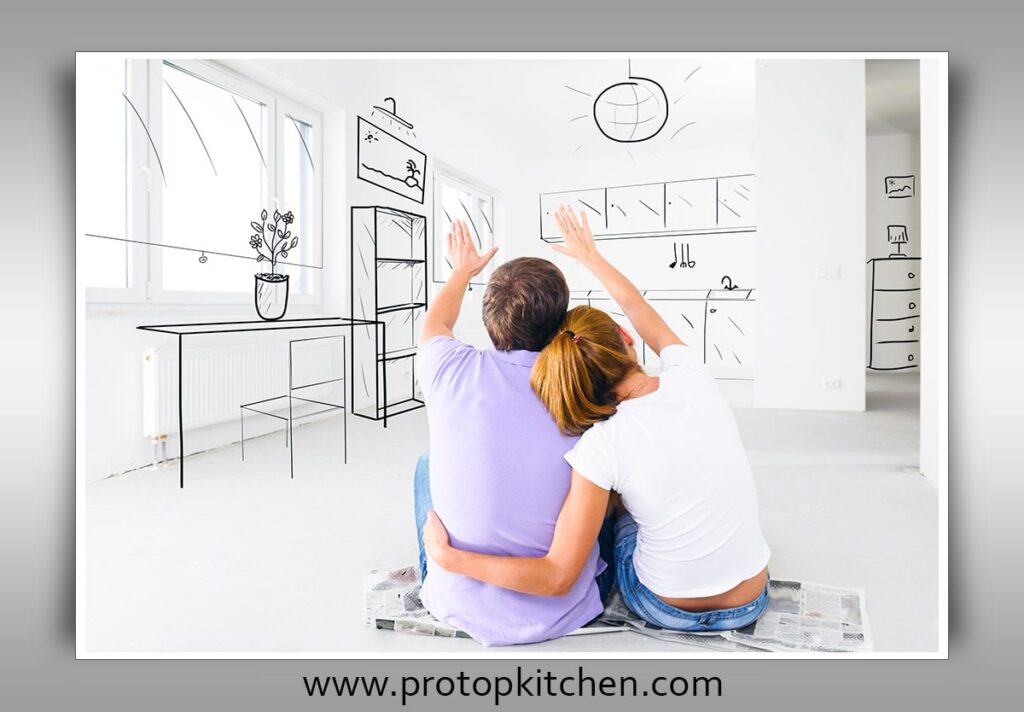
Introduction
Embark on a journey exploring the intricate interplay between culture, lifestyle, and classic kitchen design. This article delves into the fascinating influence of these factors on shaping kitchen aesthetics.
Kitchens are not just functional spaces; they are canvases that reflect the values, traditions, and ways of life of the people who inhabit them.
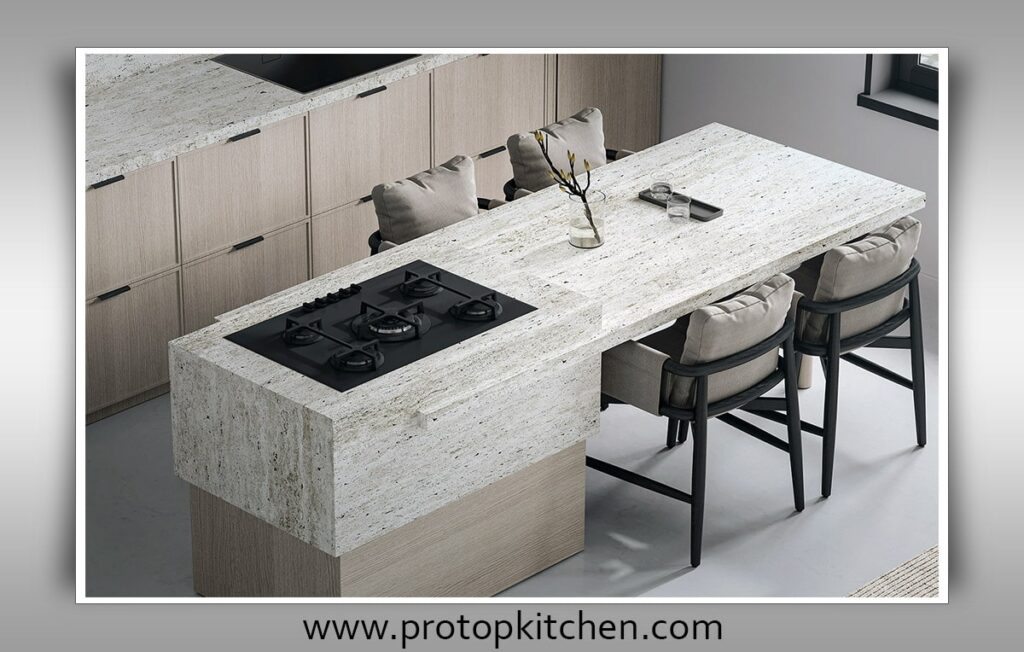
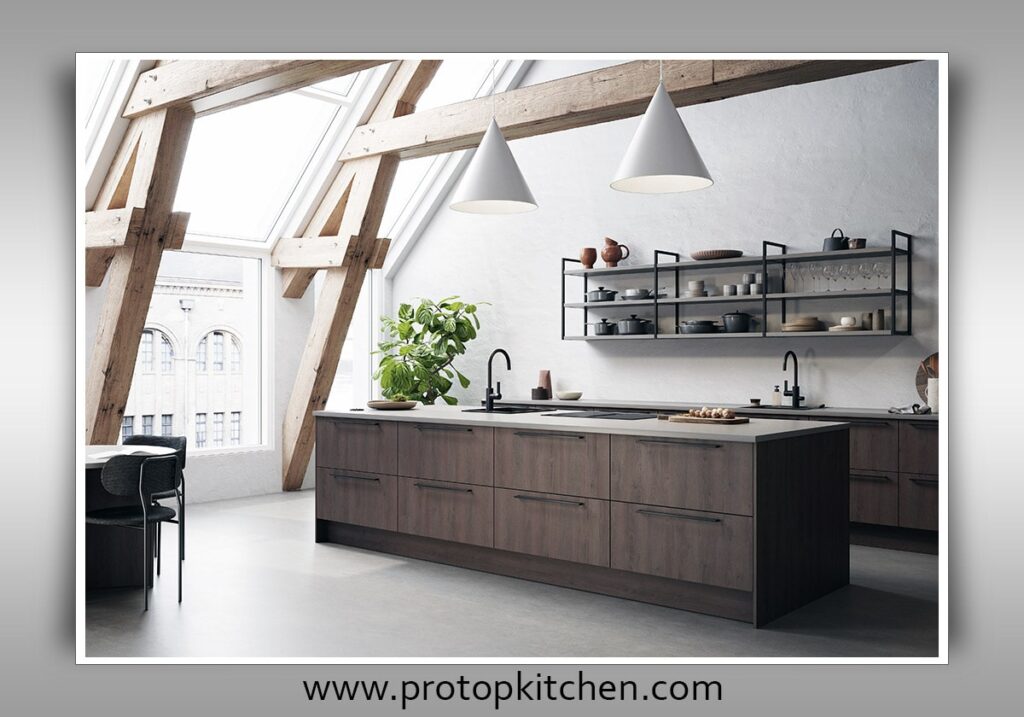
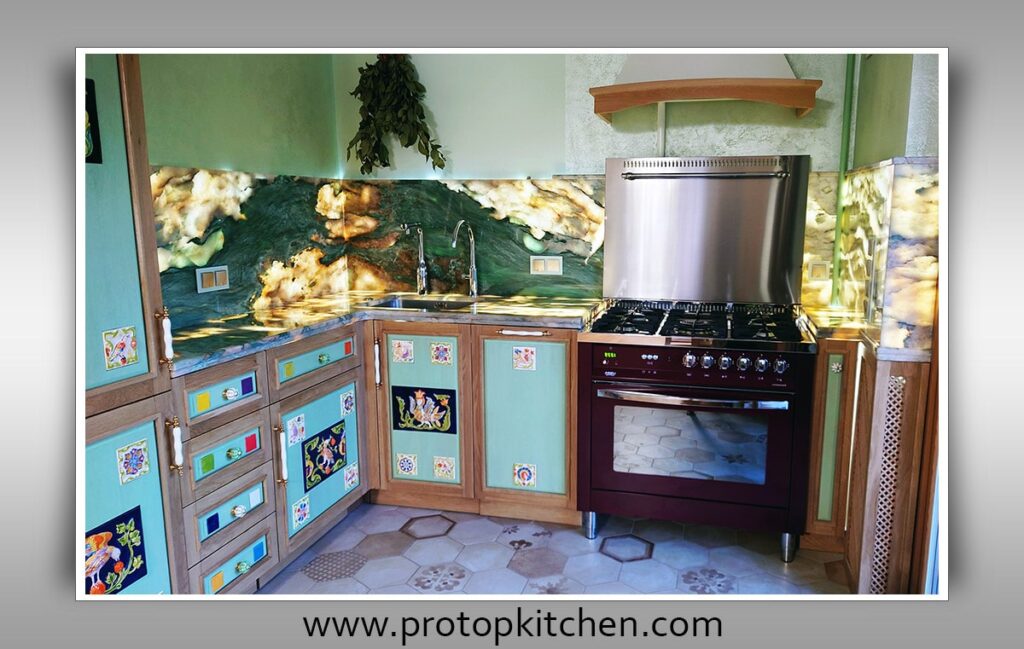
How does culture influence kitchen design?
Culture influences kitchen design through colors, patterns, materials, and symbols that reflect cultural traditions and aesthetics.
What role does lifestyle play in shaping kitchen aesthetics?
Lifestyle determines the functionality of the kitchen, influencing layout, materials, and design elements to accommodate culinary habits and preferences.
How can homeowners effectively integrate cultural and lifestyle elements into classic kitchen design?
Homeowners can integrate elements by incorporating culturally significant colors, materials, and symbols, as well as designing functional spaces that cater to their daily routines.
What are some key features that reflect culture and lifestyle in kitchen design?
Key features include culturally inspired colors and patterns, personalized layouts, and the inclusion of family-oriented gathering areas.
Why is it important to consider culture and lifestyle when designing a classic kitchen?
Considering culture and lifestyle ensures that the kitchen is not only functional but also a reflection of the homeowners’ identity, values, and traditions, creating a space that is both meaningful and functional.
Adding Cultural Charm to the Kitchen in Classic Kitchen Design

Stepped Two-Level Modern Cabinets


Adding Cultural Charm to the Kitchen in Classic Kitchen Design
Stepped Two-Level Modern Cabinets