Conclusion

Adapting classic kitchen design to varying sizes and layouts is a testament to its versatility and timeless appeal. By optimizing space utilization, balancing aesthetics, and considering layout strategies, you can create a classic kitchen that seamlessly marries functionality and style.

Adapting to Kitchen Size and Layout in Kitchen Design

Introduction

Classic kitchen design transcends size and layout limitations, offering tailored solutions that maximize both functionality and aesthetics. This article explores how to adapt your classic kitchen design to any size and layout, ensuring a harmonious and efficient culinary space.

The Perfect Fit: Designing Classic Kitchens to Suit Any Size and Layout

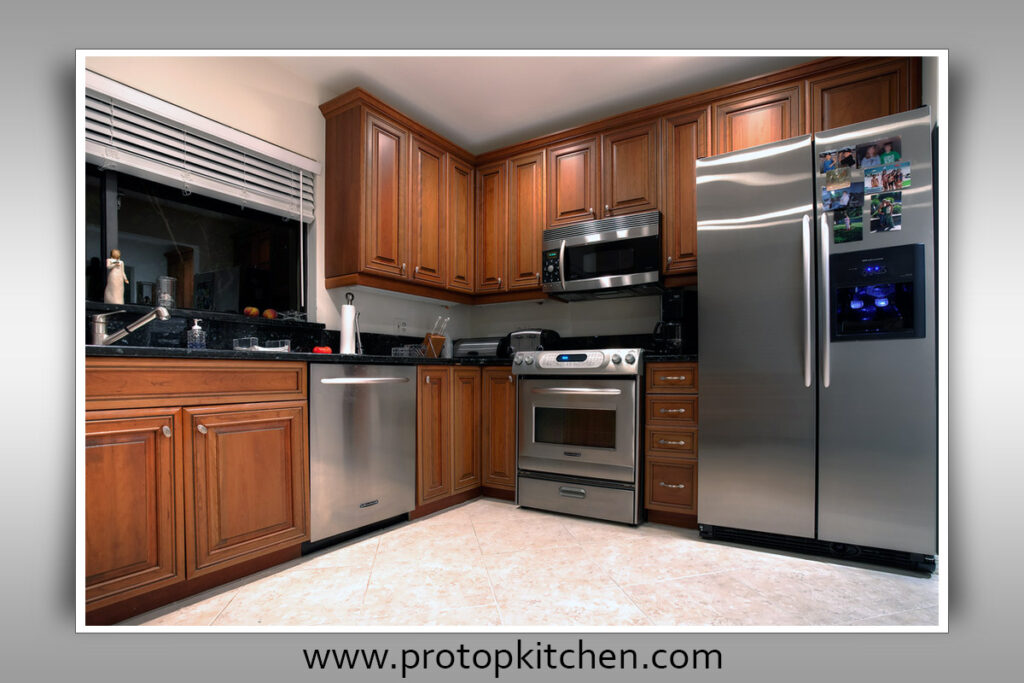
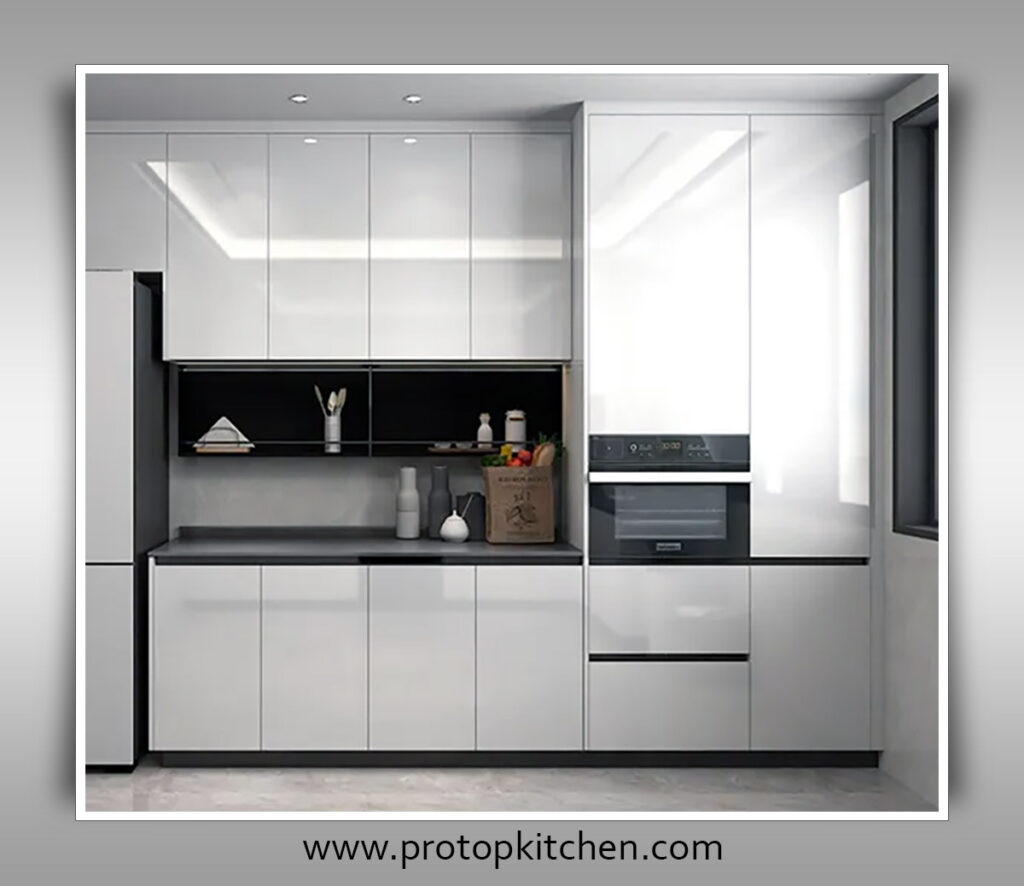
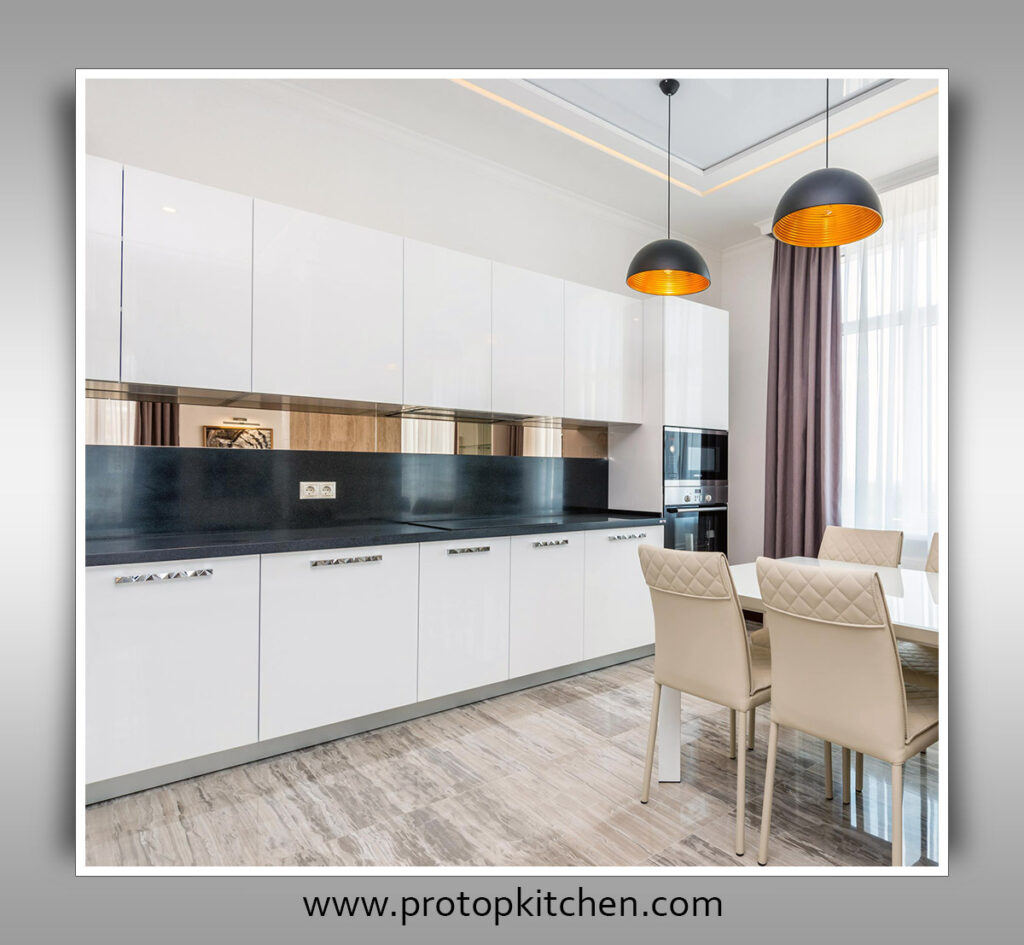
Designing a classic kitchen that suits the size and layout requires a thoughtful approach that prioritizes space optimization and visual appeal.

Optimal Utilization: Making the Most of Limited Space in Classic Kitchen Design

  1. Smart Storage Solutions: Incorporate built-in cabinets, pull-out shelves, and vertical storage to maximize every inch of available space.
  2. Multi-Functional Furniture: Choose kitchen furniture that serves multiple purposes, such as islands with built-in storage or extendable dining tables.
  3. Light Color Palette: Use light colors to create an illusion of space, making the kitchen feel open and inviting.
Aesthetic Harmony: Balancing Layout and Design Elements for a Pleasing Look
  1. Symmetry and Balance: Arrange kitchen elements symmetrically to create a sense of order and balance within the space.
  2. Open Layout: Embrace an open layout design to create a seamless flow between different kitchen zones, enhancing functionality.
  3. Focal Points: Introduce focal points, such as a statement backsplash or a prominent island, to draw the eye and add visual interest.
FAQs about Adapting to Kitchen Size and Layout in Classic Kitchen Design

How can I make the most of a small kitchen space while maintaining a classic design?

Opt for compact appliances, utilize vertical storage, and choose functional yet stylish furniture that doesn’t overcrowd the space.

What layout strategies work best for larger classic kitchens to maintain functionality?

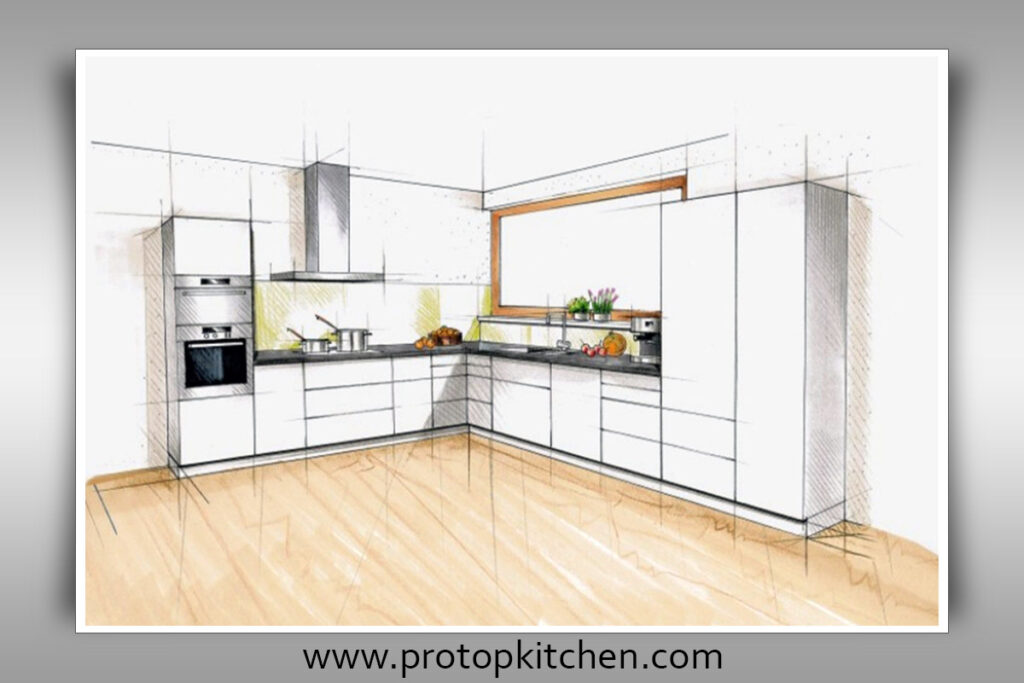
Consider a functional work triangle between the sink, stove, and refrigerator, and include ample counter space for meal prep and cooking.

How does the kitchen layout impact the overall aesthetics of the space?

The layout determines the flow of the kitchen and affects how different design elements interact, ultimately influencing the overall visual appeal.

What role does lighting play in adapting the kitchen design to different sizes and layouts?

Well-planned lighting enhances the perception of space, highlights design features, and ensures proper illumination for various kitchen activities.

How can I ensure a cohesive and balanced look in a kitchen with an unconventional layout?

Choose design elements that complement each other, create zones within the kitchen for specific tasks, and maintain a consistent color palette.

Related articles
Search…

categories

  • No categories
Related articles
You can start ordering this design here
https://protopkitchen.com/store/
Menu