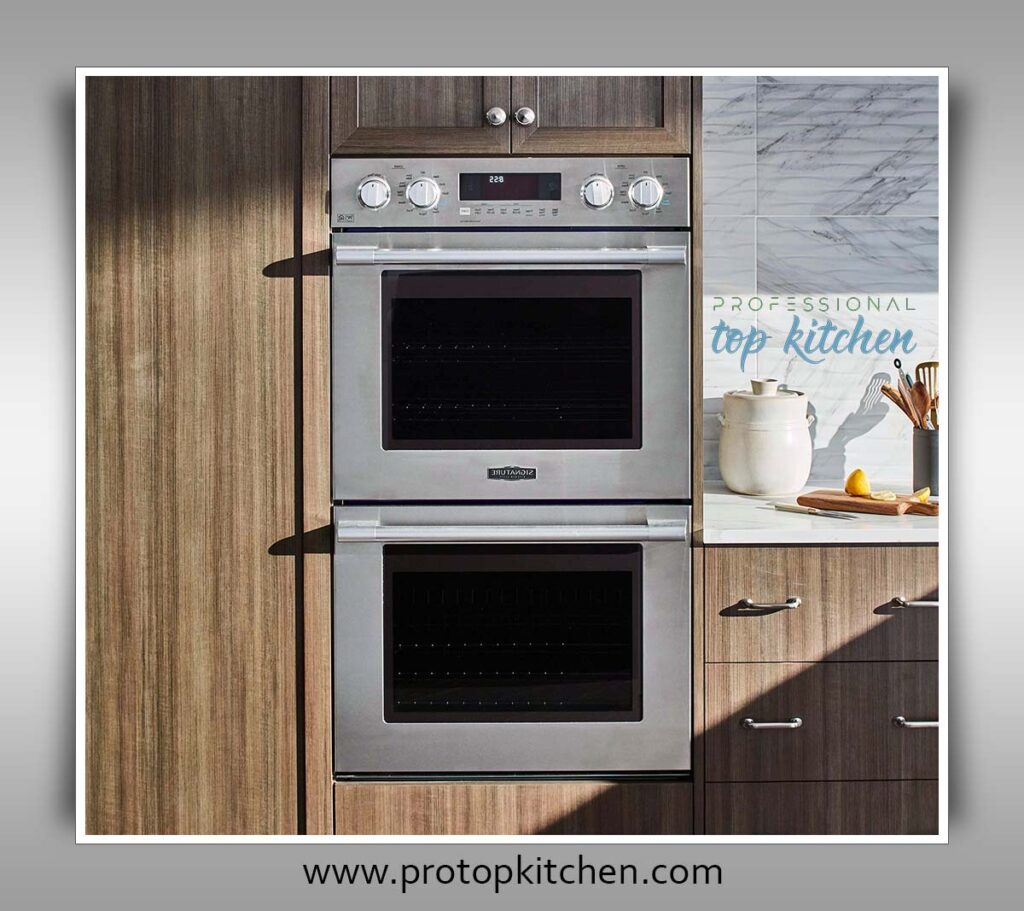
Importance of Ovens in Modern Kitchens
Ovens are more than just appliances; they are culinary tools that enable individuals to explore their creativity and express their love for cooking. Whether it’s preparing family meals or hosting dinner parties, ovens provide the means to transform raw ingredients into delicious masterpieces.
Evolution of Oven Technology
The evolution of oven technology has been remarkable, from ancient clay ovens to modern, high-tech appliances equipped with advanced features. Over the years, innovations such as convection heating, precise temperature control, and smart functionalities have revolutionized the way we cook.
Types of Ovens
There are several types of ovens available on the market, each offering unique features and advantages to suit different cooking preferences and requirements.
Conventional Ovens
Conventional ovens, also known as traditional or standard ovens, utilize heating elements located at the top and bottom of the oven cavity to generate heat. They are simple to use and suitable for a wide range of cooking tasks, including baking, roasting, and broiling.
Convection Ovens
Convection ovens feature a fan that circulates hot air throughout the oven cavity, ensuring even heat distribution and faster cooking times. This technology helps to eliminate hot spots and achieve consistent results, making convection ovens ideal for baking multiple trays of cookies or roasting meats.
Microwave Ovens
Microwave ovens use electromagnetic waves to heat and cook food quickly and efficiently. While primarily used for reheating leftovers and cooking convenience foods, modern microwave ovens often come with additional features such as convection and grill functions for more versatile cooking options.
Key Features to Consider
When choosing an oven, there are several key features to consider to ensure that it meets your cooking needs and preferences.
Capacity and Size
Consider the size of your kitchen and the available space for installing the oven. Choose a model with sufficient capacity to accommodate your cooking requirements, whether you’re cooking for a small family or hosting gatherings.
Cooking Modes and Settings
Look for ovens with multiple cooking modes and settings to accommodate various cooking techniques. Common modes include bake, roast, broil, convection bake, and defrost, allowing you to cook a wide range of dishes with precision.
Energy Efficiency
Choose an energy-efficient oven that helps reduce electricity consumption and lower utility bills. Look for models with Energy Star certification and features such as insulation and efficient heating elements for optimal energy savings.
Benefits of Ovens
Ovens offer several benefits that make them indispensable appliances in the kitchen.
Versatility
Ovens allow for versatile cooking, enabling you to bake, roast, broil, and even grill a wide variety of dishes. From crispy pizzas to succulent roasts, ovens empower you to unleash your culinary creativity and explore new recipes.
Precision Cooking
With precise temperature control and cooking modes, ovens ensure consistent and uniform cooking results. Whether you’re baking delicate pastries or roasting a tender turkey, ovens guarantee that your dishes are cooked to perfection every time.
Time Savings
Convection ovens, in particular, offer faster cooking times due to their efficient heat distribution and circulation. With shorter cooking times, you can enjoy delicious meals in less time, making ovens a convenient option for busy households.
Maintenance and Care Tips
To keep your oven in top condition and ensure optimal performance, follow these maintenance and care tips.
Cleaning
Regular cleaning of the oven interior, racks, and door seals helps maintain hygiene and prevent odors. Use mild soap and water or oven-specific cleaning products to remove grease and food residue effectively.
Oven Calibration
Periodically calibrate your oven to ensure accurate temperature readings and consistent cooking results. Use an oven thermometer to verify the temperature settings and make adjustments as needed.
Ventilation
Ensure proper ventilation around the oven to prevent overheating and improve air circulation. Keep the oven vents clear of obstructions and avoid blocking the airflow with kitchen utensils or cookware.
Buying Guide
When purchasing an oven, consider the following factors to make an informed decision.
Budget Considerations
Determine your budget and explore ovens within your price range. Consider long-term savings from energy-efficient models and factor in additional features that align with your cooking preferences and lifestyle.
Brand Reputation
Research reputable oven brands known for quality, reliability, and customer satisfaction. Read reviews, seek recommendations, and compare warranties to make an informed purchase decision.
Additional Features
Look for additional features such as self-cleaning functions, programmable timers, digital displays, and smart technology integration for enhanced convenience and functionality in the kitchen.