Types of Microwaves
There are several types of microwaves available on the market, each offering unique features and benefits to suit different kitchen layouts and cooking preferences.
Countertop Microwaves
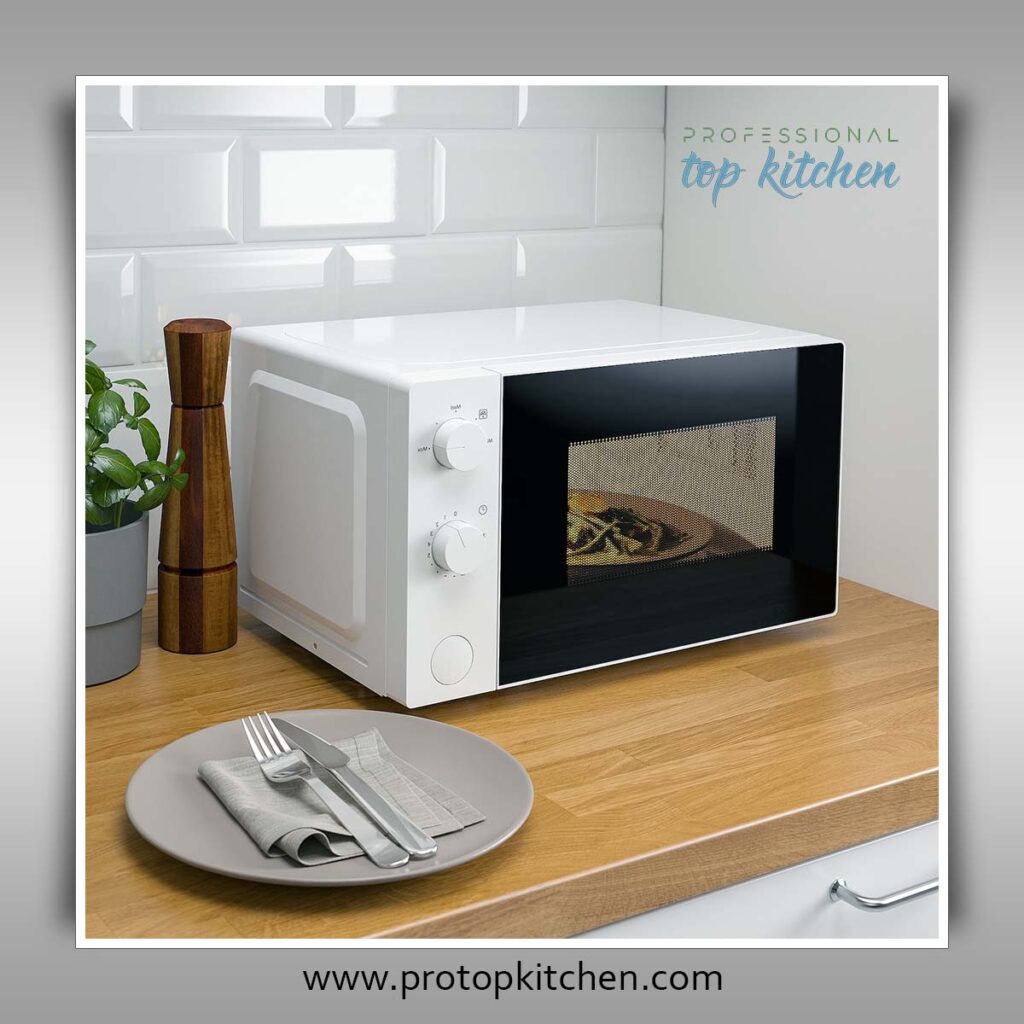
Countertop microwaves are standalone units designed to sit on kitchen countertops or other flat surfaces. They are the most common type of microwave and offer easy installation and portability, making them ideal for apartments, dormitories, and small kitchens.
Over-the-Range Microwaves
Over-the-range microwaves, also known as built-in microwaves, are installed above stovetops or ranges. They save valuable countertop space and often come with built-in ventilation systems, providing additional functionality for kitchens with limited space.
Built-In Microwaves
Built-in microwaves are integrated into kitchen cabinetry or walls, creating a seamless and customized look. They offer a sleek and modern aesthetic and can be installed at eye level for easy access and visibility while cooking.
Key Features to Consider
When choosing a microwave, consider the following key features to ensure that it meets your cooking needs and preferences.
Size and Capacity
Select a microwave with sufficient capacity to accommodate your typical cooking requirements. Consider the size of your cookware and the types of dishes you commonly prepare to determine the appropriate capacity for your needs.
Power and Wattage
Choose a microwave with adequate power and wattage for efficient and fast cooking. Higher wattage microwaves heat food more quickly and evenly, reducing cooking times and energy consumption.
Cooking Modes and Settings
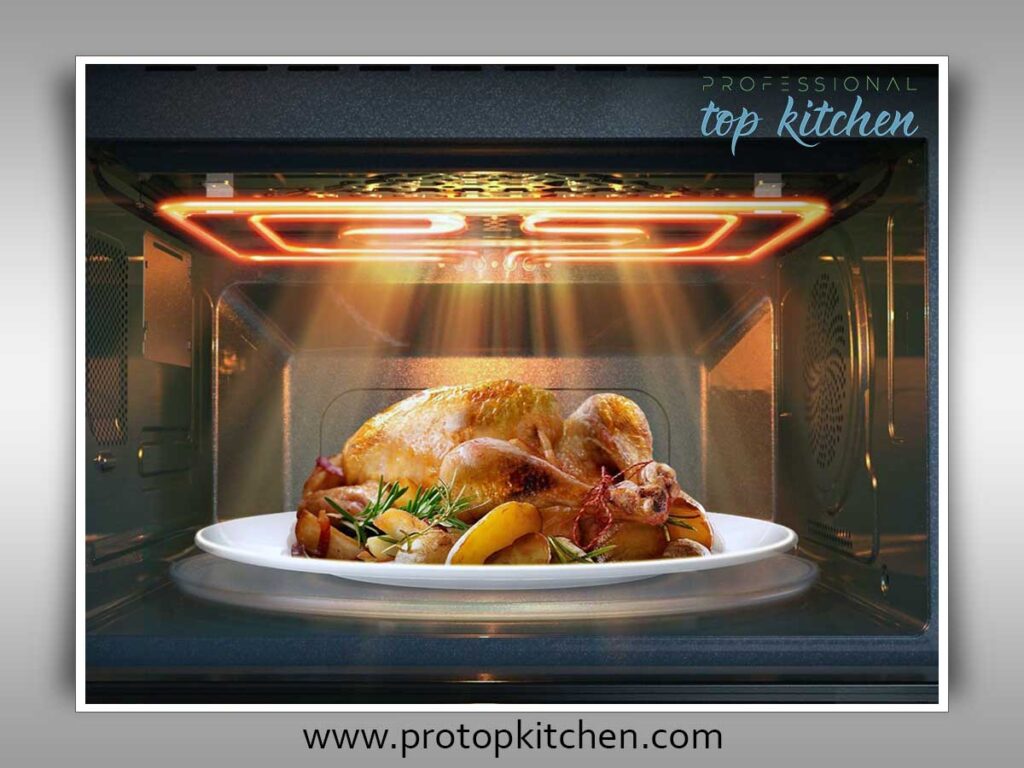
Look for microwaves with multiple cooking modes and settings to accommodate various types of food. Common modes include defrost, reheat, cook, and grill, allowing you to prepare a wide range of dishes with ease.
Turntable and Interior Design
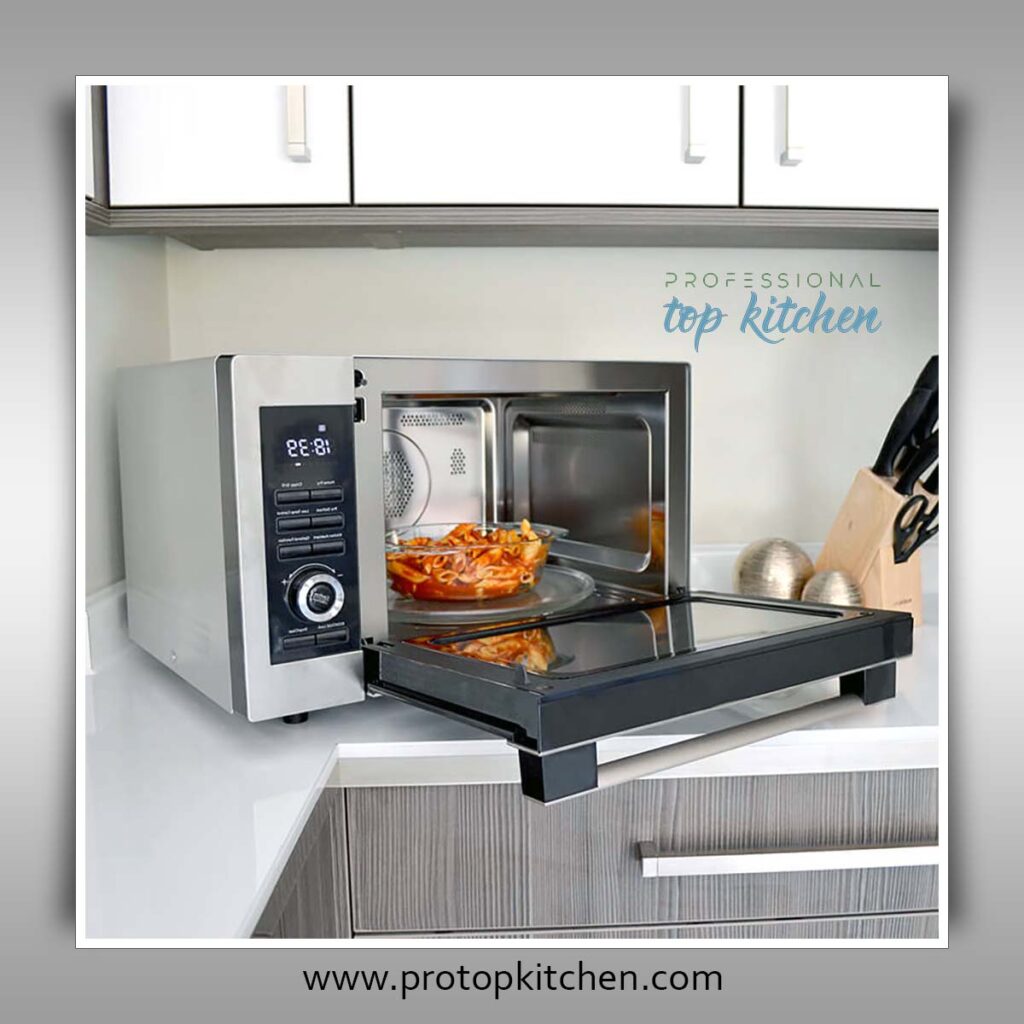
Consider the design of the microwave’s interior, including the presence of a turntable or rotating tray for even cooking. Opt for models with removable and easy-to-clean turntables for hassle-free maintenance.
Additional Features
Explore additional features such as sensor cooking, preset programs, child lock, and quick-touch buttons for added convenience and functionality. Choose a microwave with features that align with your cooking habits and lifestyle.
Benefits of Microwaves
Microwaves offer several benefits that make them indispensable appliances in the kitchen.
Time Efficiency
Microwaves cook food quickly and efficiently, reducing cooking times and allowing you to enjoy hot and freshly cooked meals in minutes. They are ideal for busy individuals looking to save time without compromising on taste or quality.
Versatility
Microwaves can be used to prepare a wide variety of dishes, including soups, stews, casseroles, vegetables, and desserts. They offer versatile cooking options, allowing you to experiment with different recipes and cooking techniques.
Energy Efficiency
Microwaves use less energy than conventional cooking methods such as stovetop cooking or oven baking. They heat food directly and do not require preheating, resulting in significant energy savings over time.
Maintenance and Care Tips
To keep your microwave in top condition and ensure optimal performance, follow these maintenance and care tips.
Cleaning
Regularly clean the interior and exterior surfaces of the microwave to remove food spills, grease, and debris. Use mild soap and water or microwave-safe cleaning products to wipe down the interior and exterior surfaces.
Safety Precautions
Follow safety precautions when using the microwave, including using microwave-safe cookware, avoiding metal utensils or containers, and never operating the microwave empty. Be mindful of hot surfaces and steam when removing cooked food from the microwave.
Repairs and Troubleshooting
If you encounter any issues with your microwave, such as uneven cooking, unusual noises, or error codes, consult the manufacturer’s manual for troubleshooting tips. If problems persist, contact a qualified technician for repairs and maintenance.
Buying Guide
When purchasing a microwave, consider the following factors to make an informed decision.
Budget Considerations
Determine your budget and explore microwave options within your price range. Consider long-term savings from energy-efficient models and factor in additional features that align with your cooking preferences.
Kitchen Space and Layout
Take into account your kitchen space and layout when choosing the type and size of the microwave. Consider factors such as available countertop space, cabinet clearance, and ventilation requirements for over-the-range or built-in installations.
Brand Reputation
Research reputable microwave brands known for quality, reliability, and customer satisfaction. Read reviews, seek recommendations, and compare warranties to ensure peace of mind with your purchase.
Warranty and Customer Support
Choose a microwave with a comprehensive warranty and reliable customer support to address any issues or concerns that may arise after purchase. Look for brands that offer responsive customer service and prompt resolution of problems.