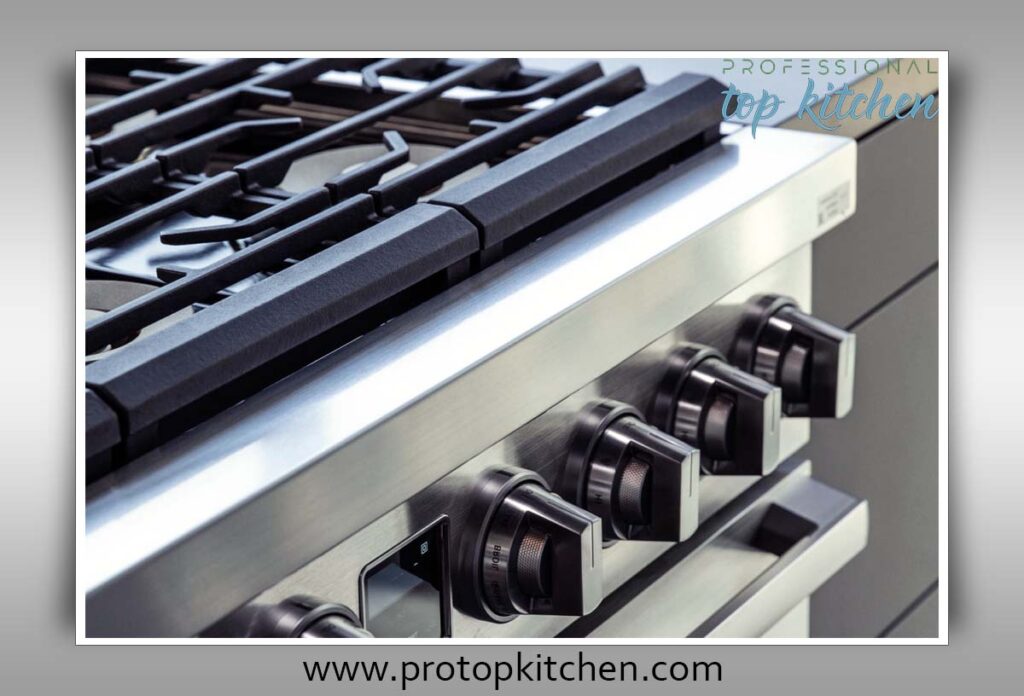
Comparison of Gas and Electric Stoves
When deciding between a gas and electric stove, it’s essential to consider several factors, including their heating mechanisms, cooking performance, cost, and maintenance requirements.
Heating Mechanism
Gas stoves utilize open flames produced by natural gas or propane to heat cooking surfaces, providing instant and precise temperature control. In contrast, electric stoves rely on electric coils or smooth ceramic glass surfaces to generate heat through electrical resistance.
Cooking Performance
Gas stoves are favored by many professional chefs and home cooks for their ability to deliver high heat and responsive temperature control, making them ideal for tasks such as searing, sautéing, and stir-frying. Electric stoves offer consistent and even heat distribution, making them suitable for tasks that require gentle simmering or baking.
Cost and Efficiency
Gas stoves typically have lower operating costs than electric stoves, as natural gas and propane are often more affordable than electricity. However, the initial installation cost of a gas stove may be higher due to the need for a gas line connection. Electric stoves are generally more energy-efficient, but electricity rates vary depending on location and utility provider.
Installation and Maintenance
Gas stoves require a gas line connection and proper ventilation to ensure safe operation, which may require professional installation. Electric stoves are easier to install and maintain, requiring only a standard electrical outlet and occasional cleaning of the heating elements or glass surface.
Pros and Cons of Gas Stoves
Gas stoves offer several advantages and disadvantages that should be considered when making a decision.
Advantages
- Instant and precise temperature control
- Responsive heat adjustment
- Suitable for high-heat cooking methods
- Lower operating costs compared to electric stoves
Disadvantages
- Higher initial installation cost
- Requires a gas line connection and proper ventilation
- Potential safety hazards associated with gas leaks or carbon monoxide emissions
Pros and Cons of Electric Stoves
Electric stoves also have their own set of advantages and disadvantages to consider.
Advantages
- Even heat distribution for consistent cooking results
- Easy to clean and maintain
- Safer operation without open flames or gas leaks
- No need for a gas line connection
Disadvantages
- Slower heat response compared to gas stoves
- Higher operating costs due to electricity consumption
- Limited temperature control options with standard coil elements
Factors to Consider When Choosing Between Gas and Electric Stoves
Several factors should influence your decision when choosing between a gas and electric stove for your kitchen.
Kitchen Setup and Infrastructure
Consider whether your kitchen is equipped with a gas line connection or if it’s feasible to install one. Evaluate the available space, ventilation options, and compatibility with existing kitchen appliances and infrastructure.
Cooking Preferences and Habits
Assess your cooking preferences and habits to determine which type of stove best suits your needs. If you frequently cook with high heat or require precise temperature control, a gas stove may be preferable. If you prefer consistent heat distribution and easy cleanup, an electric stove may be the better option.
Safety Considerations
Take into account safety considerations associated with gas and electric stoves, including the risk of gas leaks, carbon monoxide emissions, and fire hazards. Ensure proper ventilation and follow manufacturer recommendations for safe operation and maintenance.
Energy Efficiency
Consider the energy efficiency of gas and electric stoves and their long-term impact on utility bills. Compare operating costs and energy consumption to determine which type of stove offers the best value for your budget and environmental concerns.