Importance of an Electric Kettle in the Kitchen
Electric kettles offer unmatched convenience and efficiency. They boil water faster than a stove-top kettle, have automatic shut-off features, and many come with temperature controls, making them ideal for brewing different types of tea and coffee.
Types of Electric Kettles
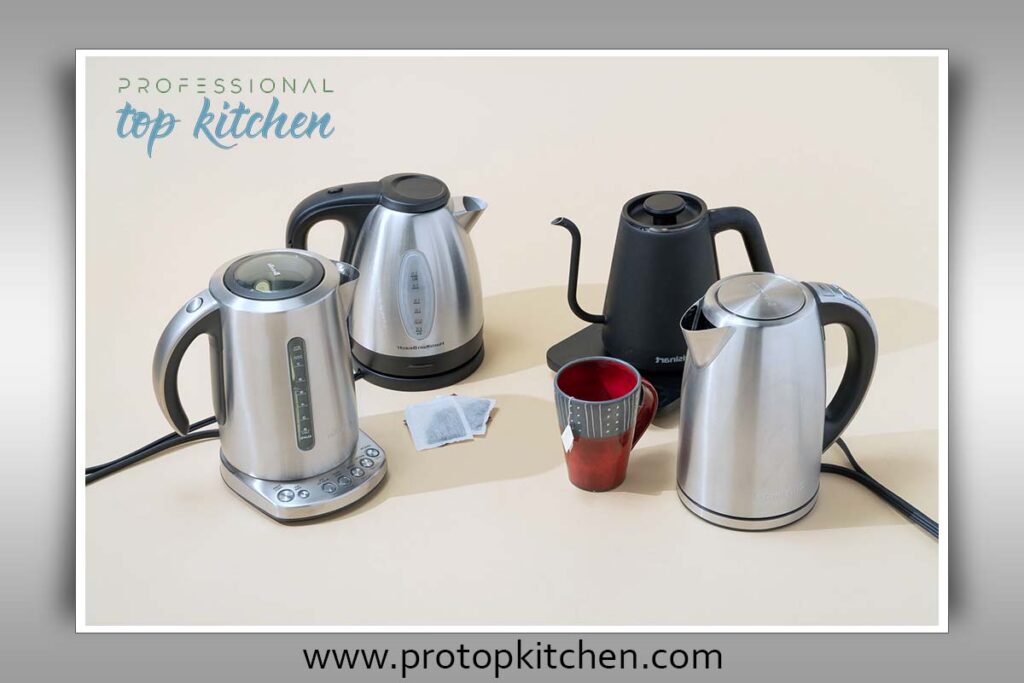
There are several types of electric kettles to consider, each suited to different needs and preferences.
Basic Electric Kettles
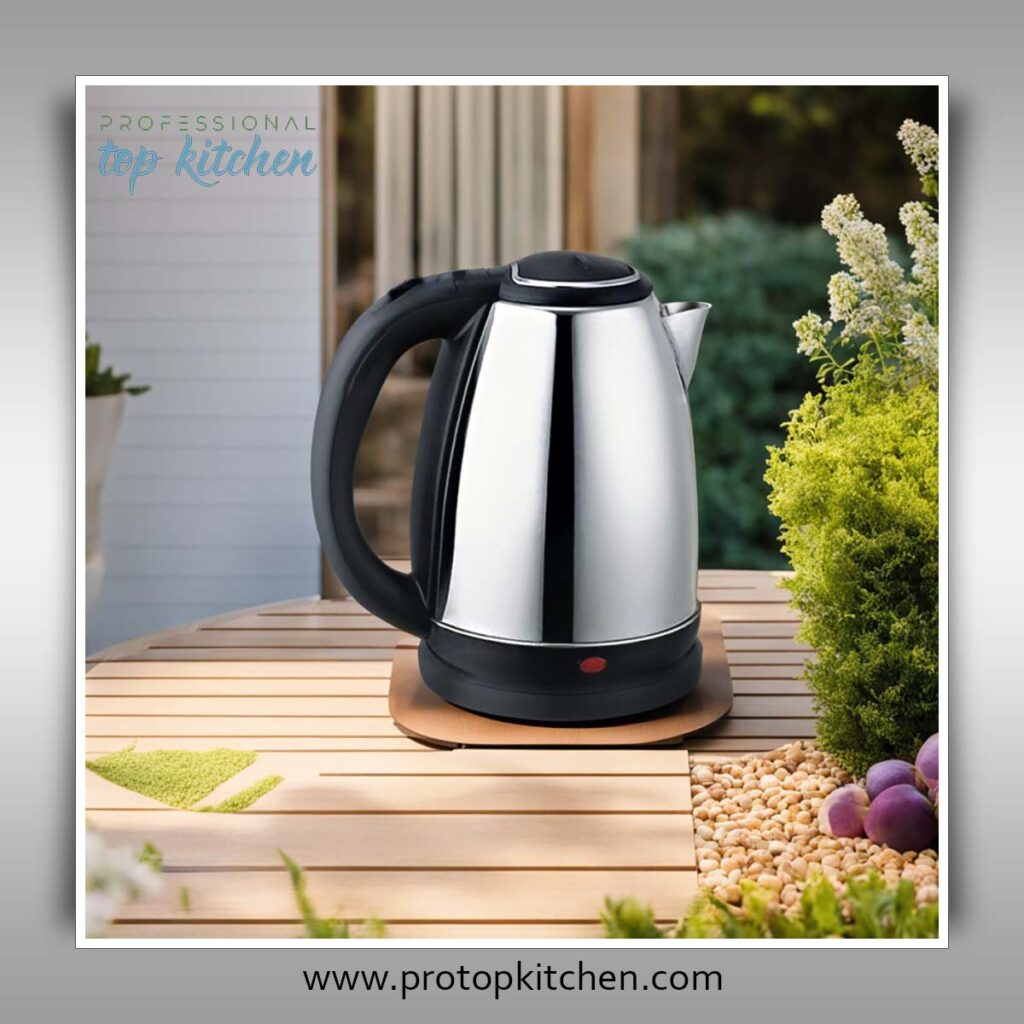
These are straightforward kettles designed to boil water quickly and efficiently. They typically have a simple on/off switch and automatic shut-off.
Temperature-Controlled Kettles
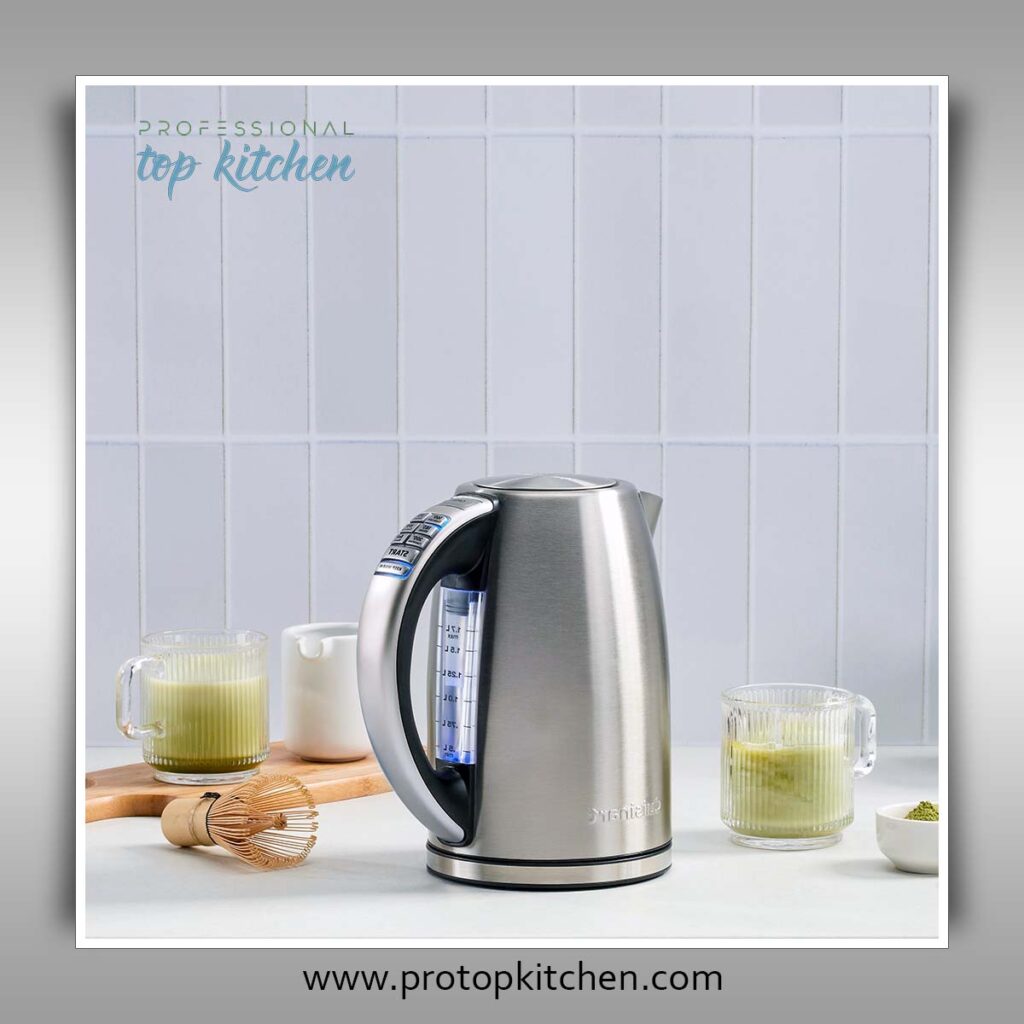
Ideal for tea and coffee aficionados, these kettles allow you to set the water temperature precisely, ensuring the perfect brew for delicate teas or coffee.
Gooseneck Kettles
Designed with a long, curved spout, gooseneck kettles provide precise control over the pour, making them perfect for pour-over coffee brewing.
Travel Kettles
Compact and lightweight, travel kettles are perfect for those who need a portable solution for boiling water while on the go.
Choosing the Right Electric Kettle for Your Kitchen
Selecting the right electric kettle depends on your specific needs and kitchen setup.
Assessing Your Boiling Needs
Consider how often you boil water and for what purposes. A basic kettle may suffice for occasional use, while a temperature-controlled model is better for frequent tea and coffee brewing.
Kitchen Space Considerations
Evaluate the available counter space in your kitchen. Compact models are ideal for small kitchens, while larger kettles may require more space.
Budget and Features
Electric kettles range from budget-friendly to high-end models with advanced features. Determine which features are most important to you, such as speed of boiling, temperature control, or design aesthetics.
Features to Look for in an Electric Kettle
Speed of Boiling
The faster the kettle boils water, the more convenient it is, especially for those in a hurry.
Temperature Control
Temperature control allows for precise brewing, which is essential for tea and coffee enthusiasts.
Safety Features
Look for kettles with automatic shut-off, boil-dry protection, and cool-touch handles to ensure safe operation.
Capacity
Choose a kettle with a capacity that suits your household’s needs. Larger kettles are ideal for families, while smaller ones are better for individual use.
Design and Aesthetics
Select a kettle that complements your kitchen’s design. Stainless steel, glass, and ceramic models offer different aesthetic appeals.
Integrating an Electric Kettle into Your Kitchen Design
A well-placed electric kettle enhances both the functionality and look of your kitchen.
Counter Space
Ensure there is enough counter space to accommodate your kettle and allow for safe usage.
Aesthetic Considerations
Choose a design that matches your kitchen’s decor. Sleek, modern kettles can add a touch of elegance, while retro designs offer a nostalgic appeal.
Convenience and Accessibility
Place your kettle in a convenient location near a power outlet and other kitchen essentials like mugs and teabags.
Maintenance and Cleaning
Regular maintenance ensures your electric kettle operates efficiently and lasts longer.
Regular Cleaning Routine
Clean the kettle’s exterior and interior regularly to prevent build-up and maintain its appearance.
Descaling
Descale your kettle periodically to remove mineral deposits. Use a descaling solution or a mixture of vinegar and water.
Handling Limescale
In areas with hard water, limescale can build up quickly. Use a limescale remover or regularly descale to keep the kettle in good condition.
Tips for Efficient Use
Using the Right Amount of Water
Only boil the amount of water you need to save energy and reduce boiling time.
Pre-boiling Considerations
For faster boiling, use warm water from the tap or pre-boil a small amount of water first.
Energy Efficiency Tips
Choose an energy-efficient model and avoid re-boiling water multiple times to save energy.
Common Issues and Troubleshooting
Even the best electric kettles can encounter problems. Here are some common issues and how to fix them.
Kettle Not Heating
Check the power connection and ensure the kettle is properly seated on its base. If the problem persists, consult the user manual or contact customer service.
Strange Taste or Odor
Regular cleaning and descaling can prevent this issue. If the problem continues, consider changing the water source or using a filter.
Leaks and Spills
Inspect seals and joints for wear and tear. Ensure the lid is properly closed and not overfilled.