The Importance of a Toaster in the Kitchen
Toasters are essential for making quick breakfasts and snacks. Whether you prefer toast, bagels, or even reheated pastries, a toaster can deliver consistent results with minimal effort.
Types of Toasters
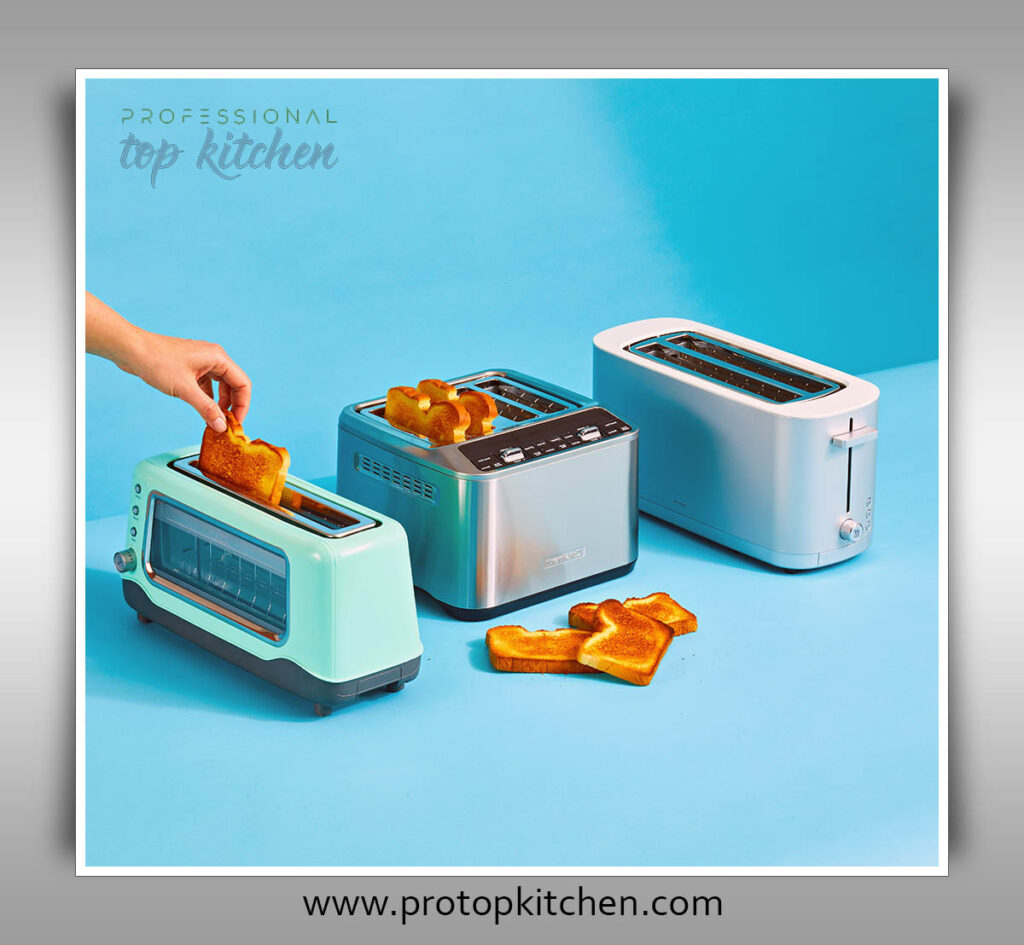
There are several types of toasters to suit different needs and preferences.
Pop-Up Toasters
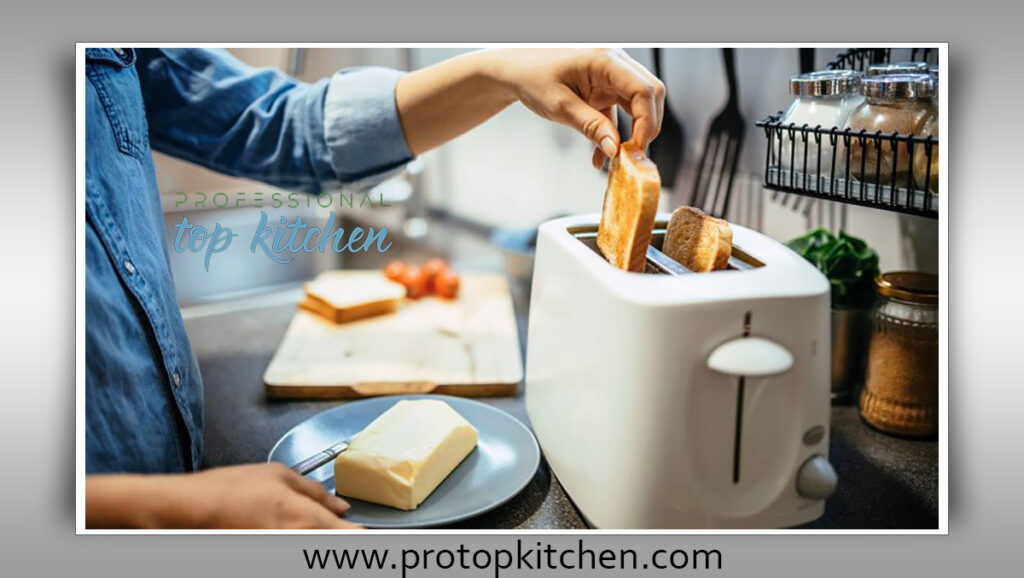
Pop-up toasters are the most common type, ideal for toasting bread slices. They are simple to use and offer various browning settings.
Toaster Ovens
Toaster ovens are versatile appliances that can toast, bake, broil, and even roast. They are perfect for those who need more functionality from their toaster.
Conveyor Toasters
Conveyor toasters are typically used in commercial settings. They can toast multiple slices of bread continuously, making them ideal for large families or busy kitchens.
Choosing the Right Toaster for Your Kitchen
Selecting the right toaster involves considering your specific needs and kitchen setup.
Assessing Your Toasting Needs
Consider how often you will use the toaster and for what purposes. If you often toast bagels or thick bread slices, look for a toaster with wide slots.
Kitchen Space Considerations
Evaluate your available counter space. Pop-up toasters are compact, while toaster ovens require more room.
Budget and Features
Toasters come in a wide price range. Decide which features are essential, such as multiple browning settings, special functions, and ease of cleaning, and choose a toaster that fits your budget.
Key Features to Look for in a Toaster
Number of Slots
Toasters typically come with two or four slots. Choose based on the size of your household and your toasting needs.
Adjustable Browning Settings
Multiple browning settings allow you to customize the toast to your preferred level of crispiness.
Special Functions (Defrost, Reheat, Bagel)
Look for toasters with additional functions like defrost, reheat, and bagel settings for added convenience.
Ease of Cleaning
Toasters with removable crumb trays and non-stick interiors are easier to clean and maintain.
Integrating a Toaster into Your Kitchen Design
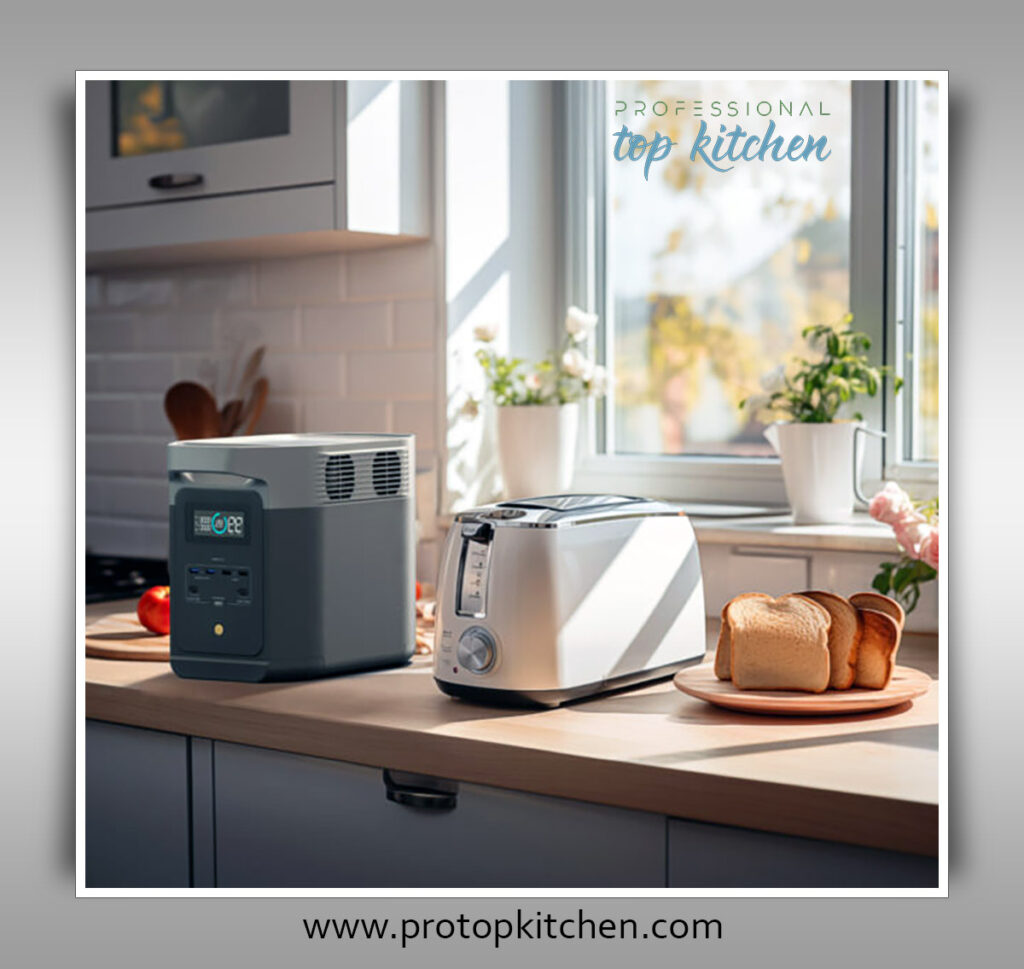
A well-placed toaster enhances both the functionality and aesthetic of your kitchen.
Counter Space Allocation
Ensure there is sufficient counter space to accommodate your toaster, allowing for easy access and use.
Aesthetic Harmony
Select a toaster that complements your kitchen decor. Modern designs can add a sleek, professional look, while retro styles offer charm.
Accessibility and Convenience
Place your toaster in a convenient location near power outlets and within easy reach of your cooking area.
Maintenance and Cleaning
Regular maintenance keeps your toaster in top working condition.
Regular Cleaning Tips
Clean your toaster regularly to prevent crumb build-up. Empty the crumb tray after each use and wipe the exterior with a damp cloth.
Handling Crumbs
For thorough cleaning, turn the toaster upside down over the sink and shake gently to dislodge trapped crumbs.
Maintaining Heating Elements
Avoid poking inside the toaster with metal objects as this can damage the heating elements. Use a soft brush to clean the inside if necessary.
Tips for Efficient Use
Optimal Toasting Techniques
Load your toaster with bread slices of similar thickness to ensure even toasting. Adjust the browning setting based on your preference.
Using Special Functions
Utilize the defrost and reheat functions for frozen and previously toasted bread to save time and energy.
Energy Efficiency
Unplug the toaster when not in use to save energy and enhance safety.
Common Issues and Troubleshooting
Even the best toasters can encounter problems. Here’s how to address some common issues.
Toaster Not Heating
Check the power connection and ensure the toaster is properly plugged in. If the problem persists, consult the user manual or contact customer service.
Uneven Toasting
Uneven toasting may be due to varying bread thickness or malfunctioning heating elements. Try adjusting the load and cleaning the toaster.
Jammed Bread Slices
If bread slices get jammed, unplug the toaster and gently remove the slices using wooden or plastic utensils to avoid damaging the elements.