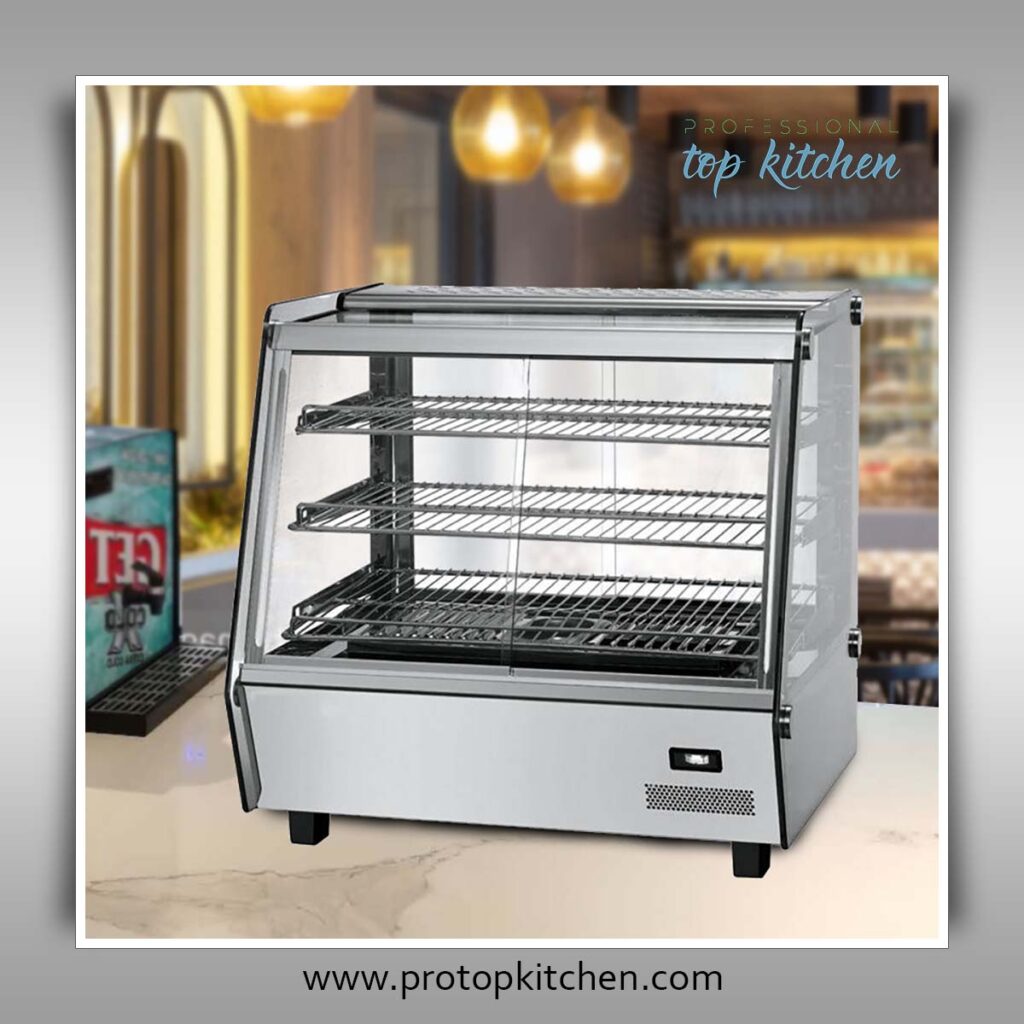
Food warmers are indispensable appliances in any kitchen, providing a convenient solution for keeping dishes warm and ready to serve. Whether you’re hosting a dinner party, catering an event, or simply want to enjoy warm meals at home, a food warmer can ensure that your food stays at the perfect temperature. In this guide, we’ll delve into everything you need to know about food warmers, including their types, benefits, usage, maintenance, and more.
Food Warmers in the Kitchen
Types of Food Warmers
There are various types of food warmers designed to meet different needs and preferences:
- Countertop Food Warmers: Compact units suitable for keeping small batches of food warm on kitchen countertops or serving stations.
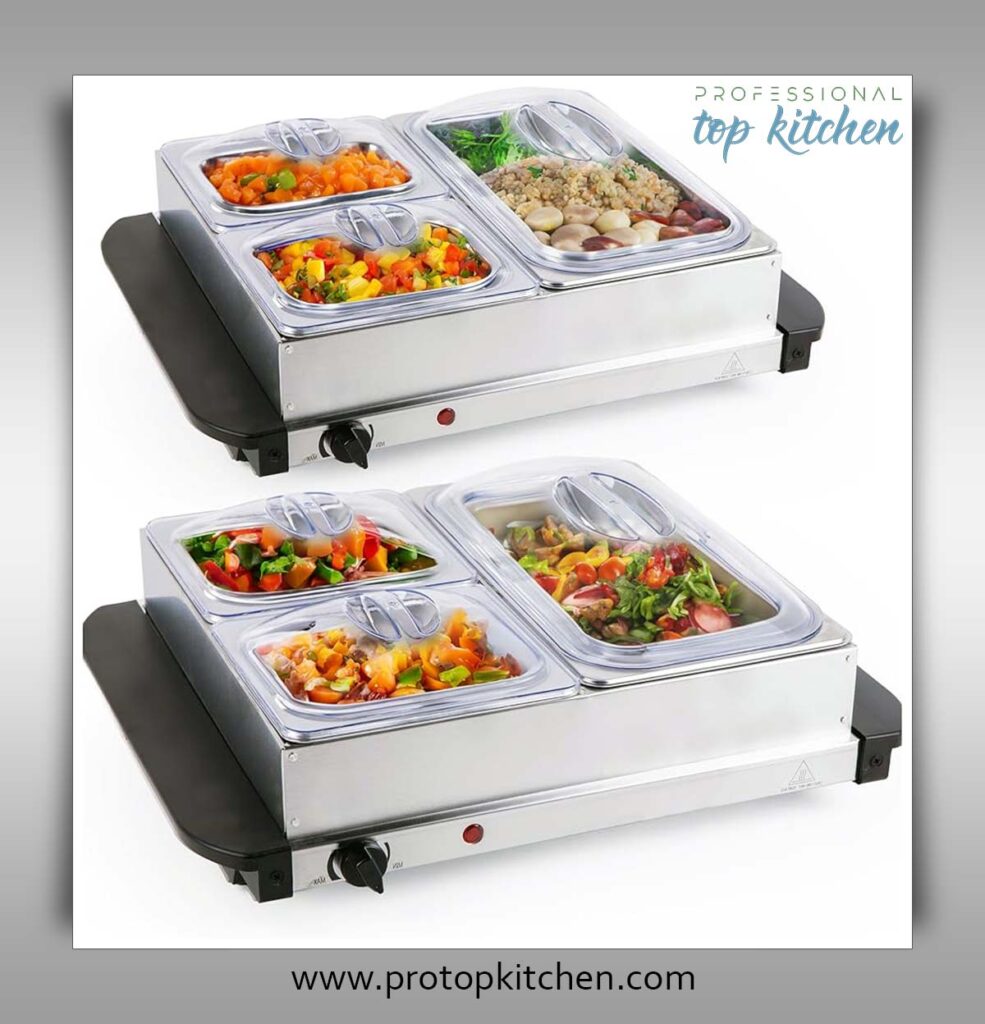
- Buffet Food Warmers: Larger units ideal for keeping large quantities of food warm during buffet-style meals or catering events.
- Drawer Food Warmers: Featuring multiple drawers, these warmers are perfect for busy kitchens or buffet setups, allowing you to store and warm different dishes simultaneously.
- Heat Lamp Food Warmers: Utilizing infrared heat lamps, these warmers keep food warm without drying it out, making them suitable for delicate dishes like pastries or bread.
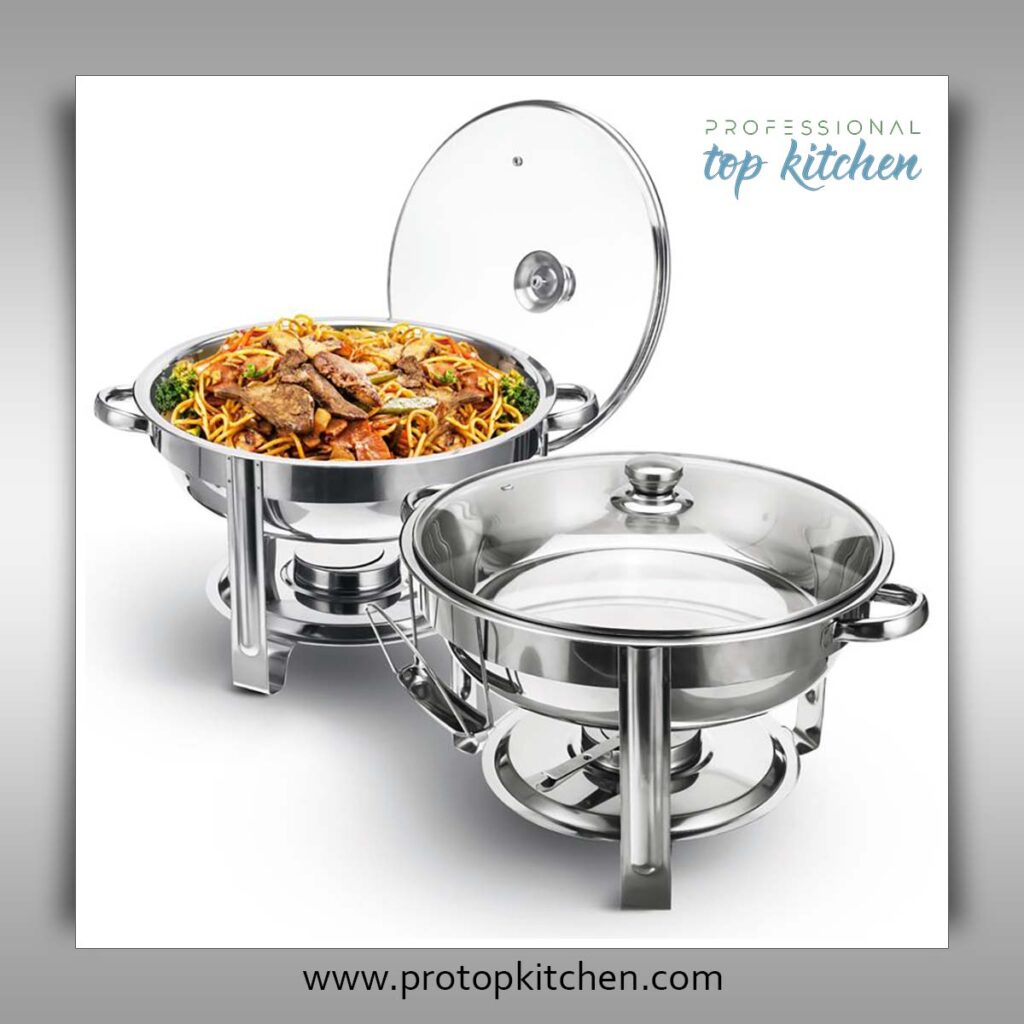
- Portable Food Warmers: Lightweight and easy to transport, these warmers are ideal for outdoor events, picnics, or camping trips.
Factors to Consider When Choosing a Food Warmer
When selecting a food warmer for your kitchen, it’s essential to consider the following factors:
- Purpose and Usage: Determine how frequently you’ll use the food warmer and the types of dishes you’ll be warming.
- Capacity and Size: Choose a food warmer with adequate capacity to accommodate your serving needs without taking up too much space in your kitchen.
- Power Source: Decide whether you prefer electric, gas, or fuel-powered food warmers based on your kitchen setup and preferences.
- Temperature Control: Look for food warmers with adjustable temperature settings to ensure precise control over the warming process.
- Material and Durability: Opt for food warmers made from high-quality materials that are durable and easy to clean, ensuring long-term reliability.
- Portability and Mobility: If you plan to use the food warmer for outdoor events or catering, consider its portability and ease of transport.
Benefits of Using Food Warmers
Using a food warmer offers several benefits, including:
- Maintaining Food Temperature: Ensures that your dishes remain at the optimal serving temperature, preserving their flavor and texture.
- Convenience and Efficiency: Provides a hassle-free way to keep multiple dishes warm simultaneously, allowing for smooth and efficient meal service.
- Versatility in Use: Suitable for various types of food, from appetizers and main courses to desserts and beverages, making them versatile additions to any kitchen.
- Safe Food Handling: Helps maintain food safety standards by keeping dishes at safe temperatures, reducing the risk of foodborne illnesses.
- How to Use a Food WarmerUsing a food warmer is straightforward:
- Setting Up the Food Warmer: Place the food warmer on a stable surface and ensure that it’s plugged into a power source.
- Preparing Food for Warming: Transfer the cooked food into heat-resistant containers or trays suitable for the food warmer.
- Operating the Food Warmer: Adjust the temperature settings according to the type of food being warmed and the desired serving temperature.
- Monitoring and Adjusting Temperature: Regularly check the temperature of the food to ensure it remains within the safe serving range, adjusting the settings as needed.
- Serving Food from the Warmer: When ready to serve, transfer the warmed food onto serving dishes or plates, keeping them covered to retain heat.
Cleaning and Maintenance
Proper cleaning and maintenance are essential for keeping your food warmer in optimal condition:
- Regular Cleaning Procedures: Clean the food warmer regularly, following the manufacturer’s instructions for cleaning the exterior and interior components.
- Deep Cleaning Tips: Periodically perform deep cleaning to remove any food residue or buildup, ensuring thorough sanitation.
- Maintaining Temperature Accuracy: Calibrate the temperature settings as needed to ensure accurate warming and prevent over- or under-heating.
- Storage and Care: Store the food warmer in a clean, dry place when not in use, taking care to protect it from damage or dust accumulation.
Troubleshooting Common Issues
If you encounter any issues with your food warmer, here are some common troubleshooting tips:
- Uneven Heating: Ensure that the food is arranged evenly inside the warmer and that the temperature settings are adjusted accordingly.
- Temperature Fluctuations: Check for any obstructions or blockages in the heating elements or vents, and clean them if necessary.
- Electrical Malfunctions: If the warmer fails to turn on or maintain the desired temperature, check the power source and connections, and consult the user manual for troubleshooting guidance.
- Cleaning and Maintenance Problems: If the warmer becomes difficult to clean ormaintain, inspect the interior and exterior components for any damage or wear and tear, and address them promptly to prevent further issues.Creative Uses of Food Warmers
While food warmers are primarily designed for keeping dishes warm, they can also serve various creative purposes:
- Keeping Beverages Warm: Use a food warmer to keep beverages like coffee, tea, or hot chocolate warm during gatherings or events.
- Melting Chocolate or Cheese: Place chocolate chips, cheese, or other ingredients in heat-resistant containers and use the food warmer to melt them for dipping or drizzling.
- Proofing Dough: Create a warm and humid environment inside the food warmer to help dough rise faster and more evenly.
- Warming Towels: Place damp towels inside the food warmer to warm them up for use in spas, salons, or after outdoor activities.
Safety Precautions
When using a food warmer, it’s essential to prioritize safety to prevent accidents and ensure food quality:
- Electrical Safety: Follow the manufacturer’s instructions for proper electrical setup and use, and avoid overloading electrical outlets.
- Food Handling Hygiene: Practice safe food handling techniques to prevent contamination and foodborne illnesses, such as washing hands and utensils regularly.
- Preventing Burns and Injuries: Use caution when handling hot dishes or containers, and always use oven mitts or potholders to protect your hands.
FAQs
1. Can I use a food warmer to cook food?
- No, food warmers are designed to maintain the temperature of cooked food, not to cook raw ingredients.
2. How long can I leave food in a food warmer?
- It’s recommended to limit the time food spends in a food warmer to no more than two hours to ensure food safety.
3. Can I use a food warmer for outdoor events?
- Yes, there are portable food warmers specifically designed for outdoor use, making them perfect for picnics, tailgating, or camping trips.
4. Do food warmers consume a lot of electricity?
- The energy consumption of a food warmer depends on its size, type, and usage, but many models are designed to be energy-efficient.
5. Can I warm multiple dishes simultaneously in a food warmer?
- Yes, many food warmers come with multiple compartments or shelves, allowing you to warm multiple dishes at once for added convenience.
Conclusion
In conclusion, food warmers are versatile and essential appliances in any kitchen, offering convenience, efficiency, and safety when it comes to keeping dishes warm and ready to serve. By understanding the different types of food warmers, their benefits, usage, maintenance, and safety precautions, you can make informed decisions and maximize their utility in your kitchen. Whether you’re hosting a small gathering or catering a large event, a food warmer can help elevate your dining experience and ensure that your dishes are served at their best.