The Role of Blenders in Modern Kitchens
Blenders are not just for making smoothies. They can chop, puree, crush, and liquefy, making them essential for a wide range of recipes and kitchen tasks. Whether you’re a health enthusiast blending up green smoothies or a home chef preparing gourmet meals, a blender can be a valuable tool.
Types of Blenders
There are several types of blenders, each designed for specific uses and preferences.
Countertop Blenders
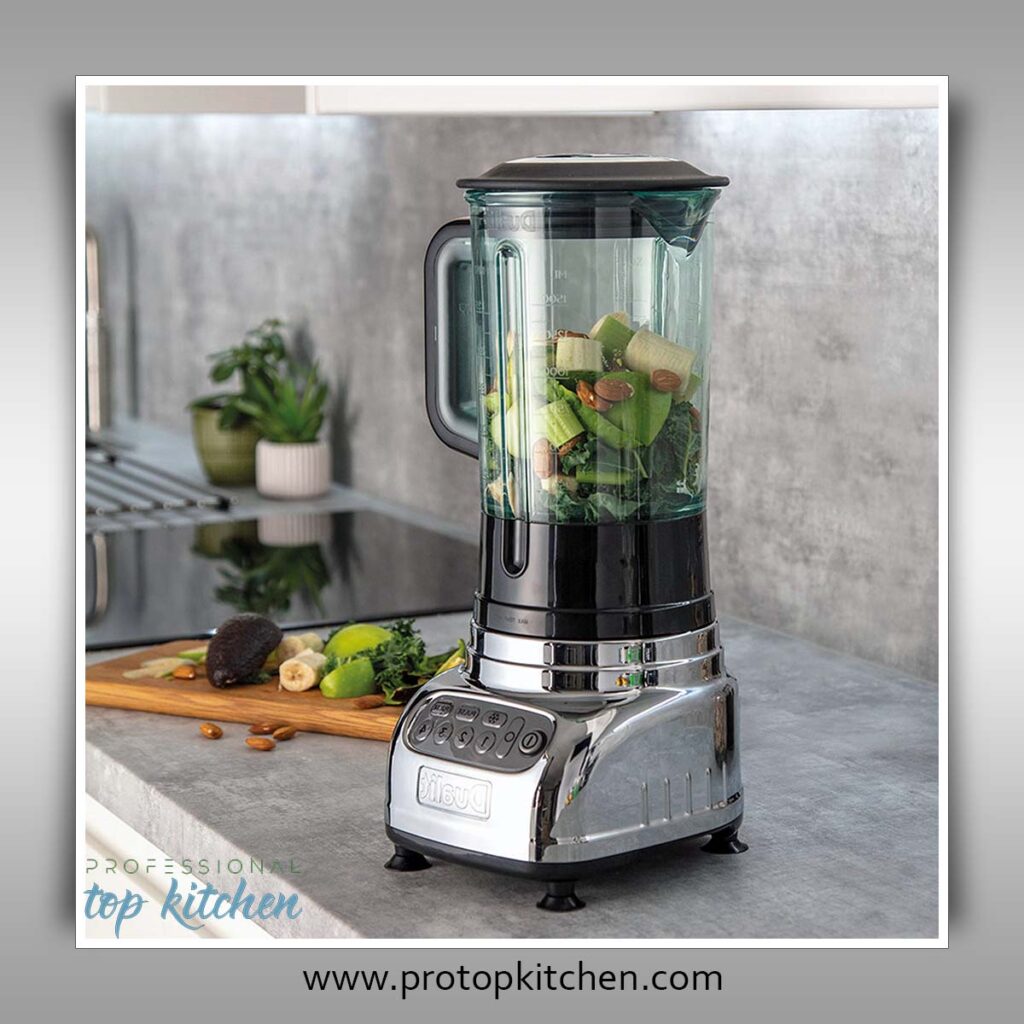
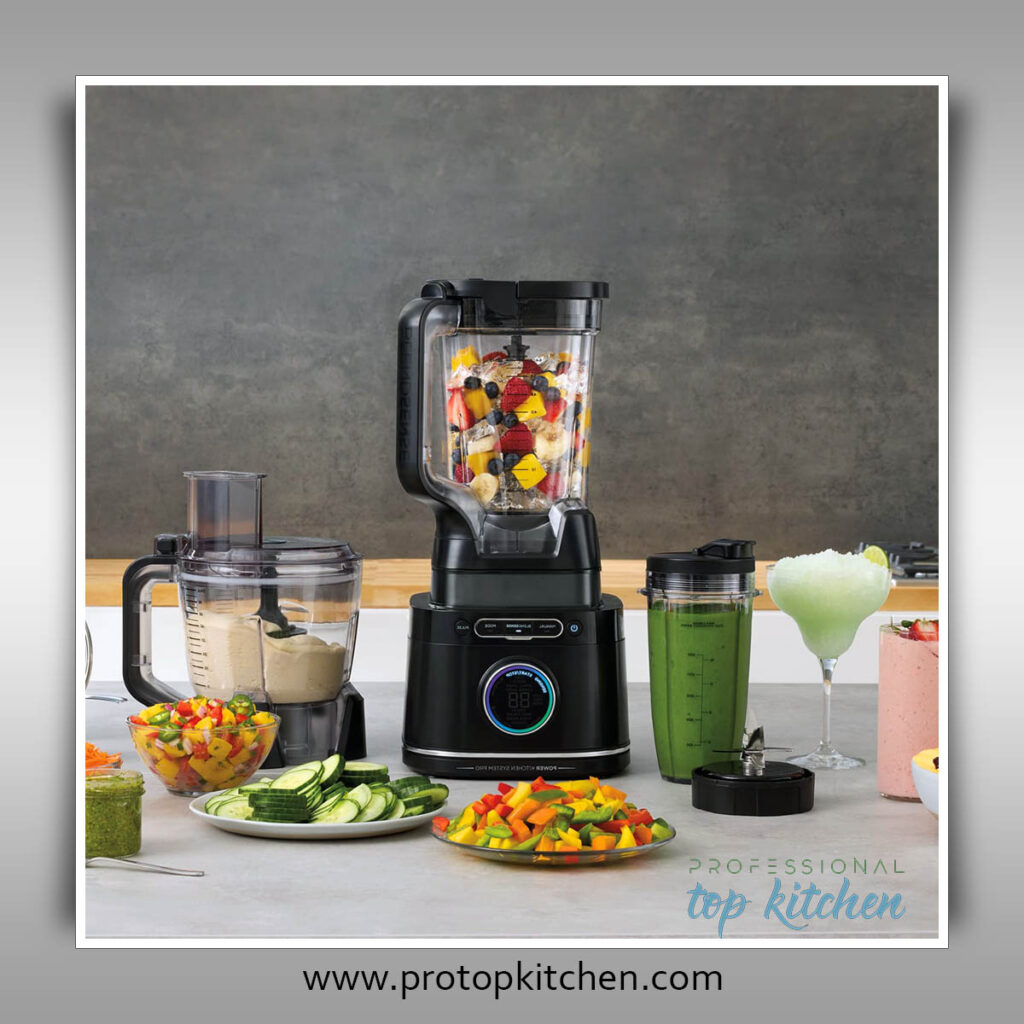
Countertop blenders are versatile and powerful, suitable for a variety of tasks from blending smoothies to crushing ice.
Immersion Blenders
Also known as hand blenders, immersion blenders are portable and perfect for blending soups directly in the pot or making small batches of sauces.
Personal Blenders
Personal blenders are compact and designed for making single-serving smoothies or shakes, often with to-go cups for convenience.
High-Performance Blenders
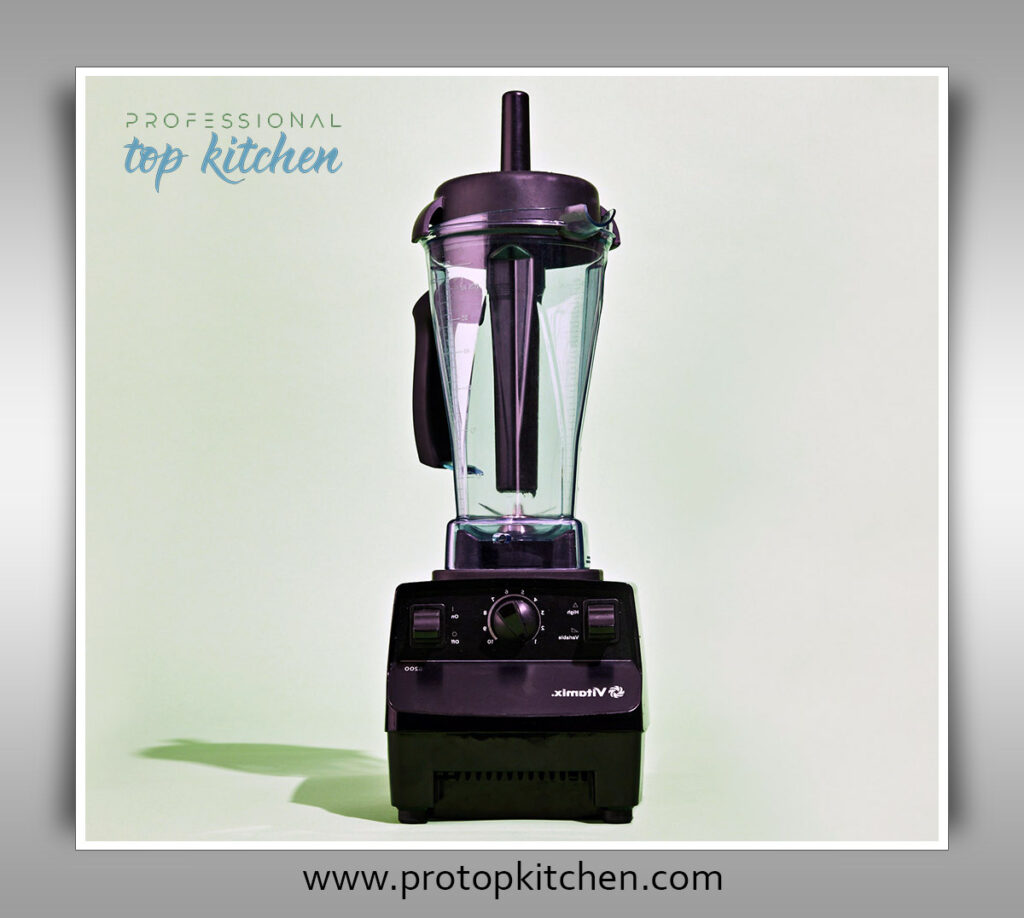
High-performance blenders, such as those from Vitamix or Blendtec, offer powerful motors and advanced features for professional-level blending tasks.
Choosing the Right Blender for Your Kitchen
Selecting the right blender involves considering your specific needs and kitchen setup.
Assessing Your Blending Needs
Think about what you’ll be using the blender for most often. If you’re blending tough ingredients like nuts and ice, a high-performance blender may be necessary.
Kitchen Space Considerations
Evaluate your available counter space. Immersion and personal blenders take up less space, while countertop blenders require more room.
Budget and Features
Blenders come in a wide price range. Decide which features are essential, such as multiple speed settings, pulse function, or pre-programmed modes, and choose a blender that fits your budget.
Key Features to Look for in a Blender
Motor Power
A powerful motor ensures efficient blending, especially for tough ingredients. Look for blenders with at least 500 watts for general use and higher for heavy-duty tasks.
Speed Settings
Multiple speed settings allow you to control the texture of your blends. Some blenders also offer pulse and pre-programmed settings for specific tasks.
Blade Design
Sharp, durable blades are crucial for effective blending. Stainless steel blades are a good choice for longevity and performance.
Capacity
Choose a blender with a capacity that matches your needs, whether it’s a small personal blender or a large countertop model for family-sized portions.
Ease of Cleaning
Blenders with removable blades and dishwasher-safe parts are easier to clean, encouraging regular use and maintenance.
Integrating a Blender into Your Kitchen Design
A well-placed blender enhances both the functionality and aesthetic of your kitchen.
Counter Space Allocation
Ensure there is sufficient counter space to accommodate your blender, allowing for easy access and use.
Aesthetic Harmony
Select a blender that complements your kitchen decor. Modern designs can add a sleek, professional look, while retro styles offer charm.
Accessibility and Convenience
Place your blender in a convenient location near power outlets and within easy reach of your cooking area.
Maintenance and Cleaning
Regular maintenance keeps your blender in top working condition.
Regular Cleaning Tips
Clean your blender after each use to prevent residue build-up. Fill it halfway with warm water and a drop of dish soap, then blend on low speed to clean the interior.
Handling Tough Residue
For stubborn residue, use a brush to clean the blades and a mixture of baking soda and water for scrubbing.
Maintaining Blades and Motors
Keep the blades sharp and motor well-ventilated. Periodically check for wear and tear and replace parts as needed.
Tips for Efficient Use
Optimal Loading Techniques
Load your blender with liquid first, followed by soft ingredients, and then hard items like ice or frozen fruit to ensure smooth blending.
Pre-Blending Preparation
Cut larger ingredients into smaller pieces to reduce strain on the motor and ensure even blending.
Energy Efficiency
Use your blender efficiently by blending in short bursts rather than continuous operation, especially for tough tasks.
Common Issues and Troubleshooting
Even the best blenders can encounter problems. Here’s how to address some common issues.
Blender Not Turning On
Check the power connection and ensure the blender is properly assembled. If the problem persists, consult the user manual or contact customer service.
Unusual Noises
Unusual noises may indicate an issue with the blades or motor. Inspect for any blockages or damage and clean thoroughly.
Inefficient Blending
If your blender is not blending efficiently, ensure the blades are sharp and the motor is powerful enough for the task. Adjust the loading technique if necessary.