Importance of a Coffee Maker in the Kitchen
A coffee maker simplifies the process of brewing your favorite beverage, ensuring consistency and convenience. Whether you’re a morning coffee drinker or enjoy an afternoon pick-me-up, having a reliable coffee maker is essential.
Types of Coffee Makers
There are several types of coffee makers, each offering unique features and brewing methods.
Drip Coffee Makers
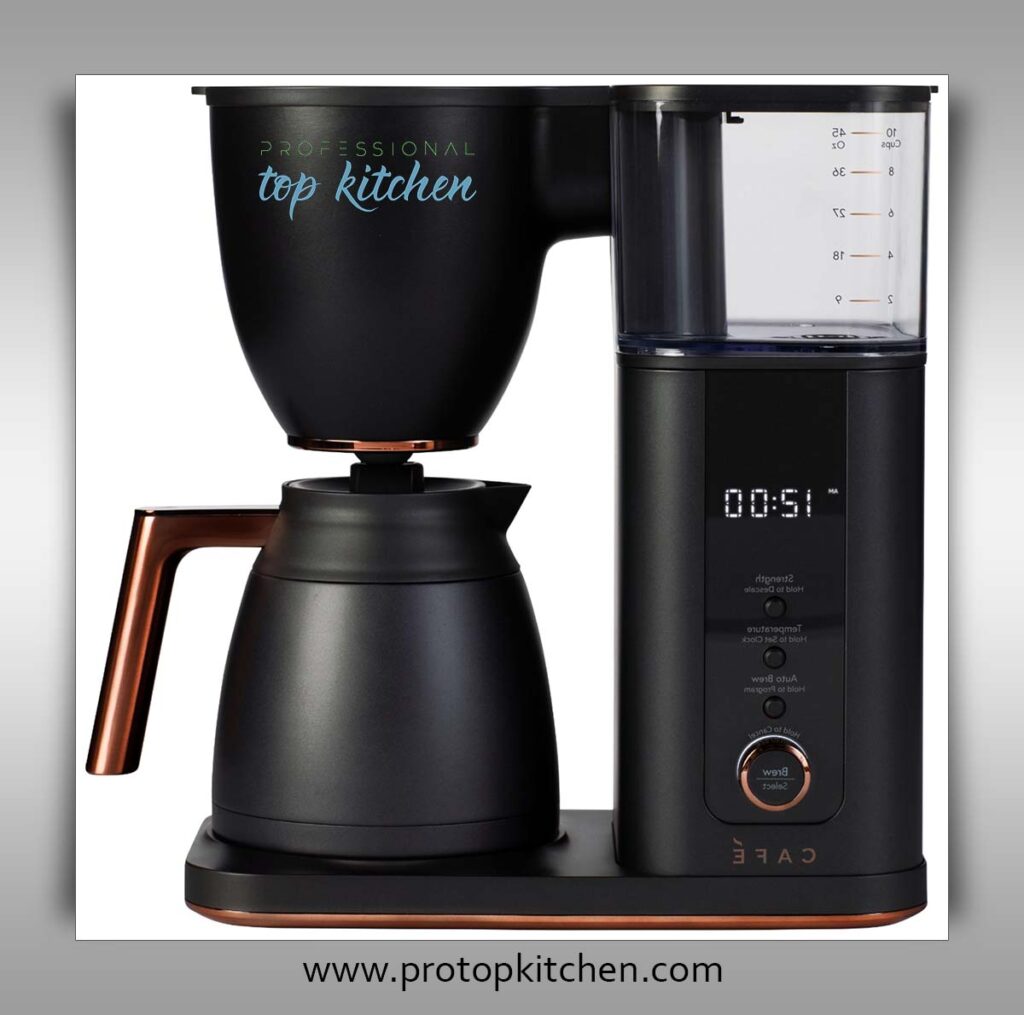
Drip coffee makers are the most popular choice for their ease of use and ability to brew multiple cups at once. They work by dripping hot water over ground coffee contained in a filter.
Single-Serve Coffee Makers
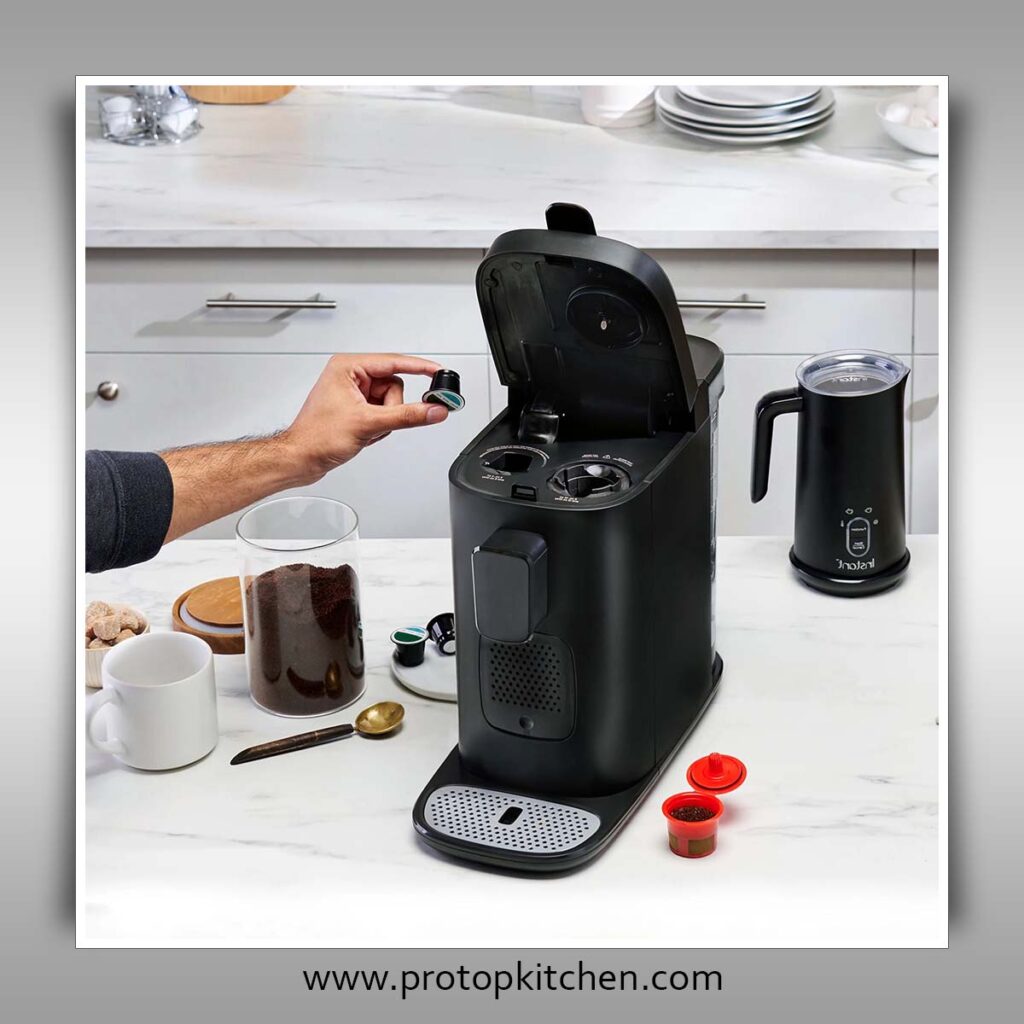
Perfect for individuals or small households, single-serve coffee makers brew one cup at a time using pods or capsules. Brands like Keurig and Nespresso dominate this market.
French Press
A French Press uses a plunger to press hot water through coffee grounds, producing a rich, full-bodied brew. It’s simple, portable, and requires no paper filters.
Espresso Machines
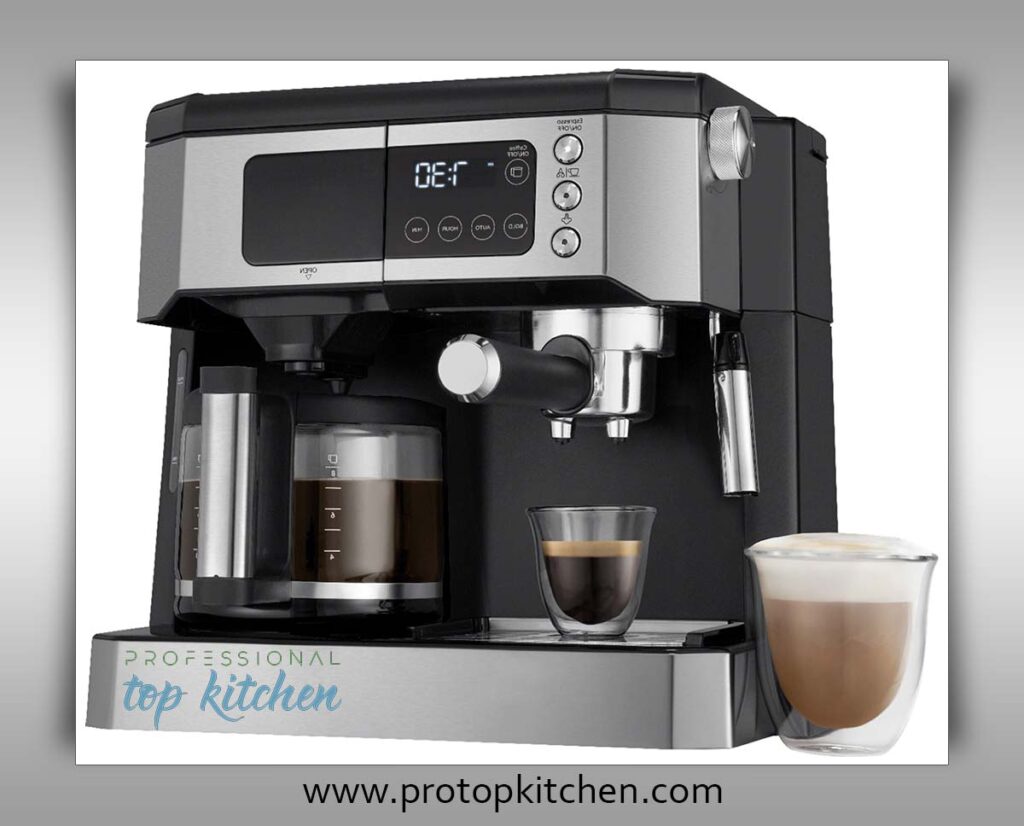
Espresso machines use pressure to force hot water through finely-ground coffee, creating a concentrated and robust shot of espresso. Ideal for those who enjoy lattes, cappuccinos, and other espresso-based drinks.
Percolators
Percolators cycle boiling water through coffee grounds using gravity until the desired strength is achieved. They offer a classic, strong coffee flavor.
Cold Brew Coffee Makers
Cold brew coffee makers steep coffee grounds in cold water for an extended period, usually 12-24 hours, resulting in a smooth, less acidic coffee.
Choosing the Right Coffee Maker for Your Kitchen
Selecting the right coffee maker involves considering your coffee habits, kitchen space, and budget.
Assessing Your Coffee Needs
Determine how much coffee you drink and your preferred brewing method. This will help narrow down the choices.
Kitchen Space Considerations
Evaluate the available counter space in your kitchen. Compact single-serve machines may be ideal for small kitchens, while larger drip coffee makers or espresso machines may require more space.
Budget and Features
Coffee makers range from budget-friendly models to high-end machines with advanced features. Decide what features are most important to you, such as programmability, a built-in grinder, or a water filter.
Features to Look for in a Coffee Maker
Programmability
Programmable coffee makers allow you to set a timer, so your coffee is ready when you wake up, adding convenience to your morning routine.
Built-In Grinder
A built-in grinder ensures your coffee is made from freshly ground beans, enhancing flavor and aroma.
Water Filter
A built-in water filter removes impurities, improving the taste of your coffee.
Capacity
Consider how much coffee you typically brew. Single-serve machines are perfect for individual use, while drip coffee makers and percolators are better for brewing larger quantities.
Integrating a Coffee Maker into Your Kitchen Design
A coffee maker should fit seamlessly into your kitchen’s layout and aesthetic.
Counter Space
Ensure there is enough counter space to accommodate your coffee maker, with room to spare for other kitchen activities.
Aesthetic Considerations
Choose a coffee maker that complements your kitchen’s style, whether it’s modern, traditional, or somewhere in between.
Convenience and Accessibility
Place your coffee maker in a convenient, accessible location, ideally near a water source and storage for coffee beans or pods.
Maintenance and Cleaning
Regular maintenance keeps your coffee maker in good working order and ensures your coffee tastes great.
Regular Cleaning Routine
Clean removable parts regularly to prevent the buildup of coffee oils and residue. Follow the manufacturer’s instructions for best results.
Descaling
Descale your coffee maker periodically to remove mineral deposits, especially if you have hard water. Use a descaling solution or a mixture of vinegar and water.
Replacing Filters
Replace water filters as recommended by the manufacturer to maintain water quality and taste.
Tips for the Perfect Brew
Using Fresh Ingredients
Use fresh, high-quality coffee beans and clean water for the best flavor.
Optimal Water Temperature
Brew coffee at the optimal temperature, usually between 195°F and 205°F, to extract the best flavors.
Proper Coffee-to-Water Ratio
Use the correct coffee-to-water ratio to achieve the desired strength. A general guideline is one to two tablespoons of coffee per six ounces of water.
Common Issues and Troubleshooting
Even the best coffee makers can encounter problems. Here are some common issues and how to fix them.
Bitter Coffee
Bitter coffee can result from over-extraction. Ensure you’re using the right grind size and brewing time.
Machine Not Brewing
Check that the machine is properly plugged in and that all parts are correctly assembled. Ensure there is enough water in the reservoir.
Leaks and Overflows
Inspect seals and gaskets for wear and tear. Make sure all parts are properly fitted and not overfilled.