In the bustling hub of any home, the kitchen stands as a testament to culinary creativity and communal gatherings. Within this space, efficiency is paramount, and the humble dishwasher emerges as a silent hero, streamlining the post-meal cleanup process and restoring order to the culinary chaos.
Dishwasher
Importance of Dishwashers in Modern Kitchens
In the rhythm of modern life, time is a precious commodity. The dishwasher, with its ability to swiftly tackle stacks of dirty dishes, becomes an invaluable ally in reclaiming those precious moments otherwise spent scrubbing and rinsing. It’s a lifesaver for busy professionals, multitasking parents, and anyone seeking to streamline household chores without sacrificing cleanliness.
Evolution of Dishwasher Technology
From its humble beginnings as a simple water-spraying contraption to today’s sophisticated marvels of engineering, the dishwasher has undergone a remarkable evolution. With advancements in water pressure, detergent efficiency, and energy-saving features, modern dishwashers not only clean dishes but do so with remarkable efficiency and sustainability in mind.
Types of Dishwashers
Dishwashers come in various shapes and sizes, each tailored to fit different kitchen layouts and lifestyles.
Built-In Dishwashers
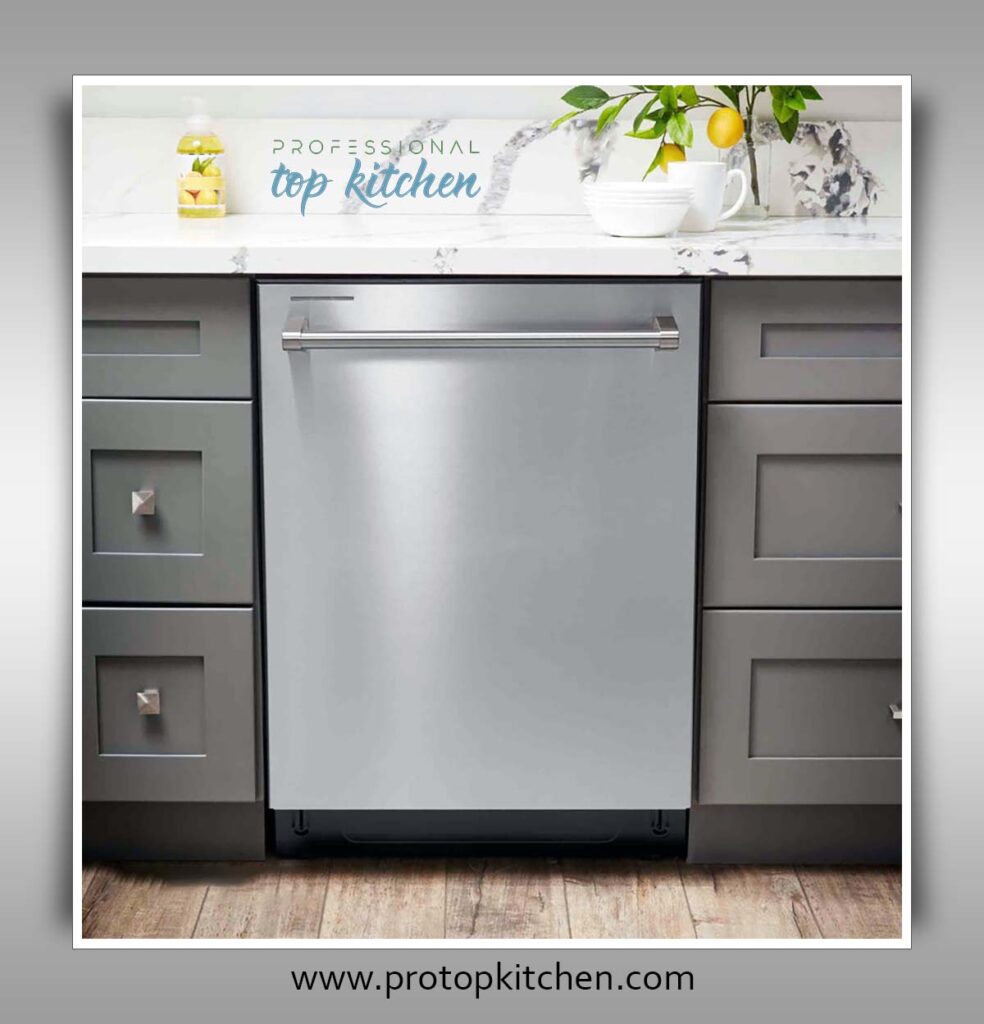
Built-in dishwashers seamlessly integrate into kitchen cabinetry, offering a sleek and uniform appearance. They’re ideal for homeowners looking for a permanent and space-saving solution.
Portable Dishwashers
For those with limited kitchen space or renters seeking flexibility, portable dishwashers provide a convenient alternative. These standalone units can be moved as needed and connected to the sink for easy operation.
Drawer Dishwashers
Drawer dishwashers offer flexibility in loading and unloading dishes, with separate compartments that can operate independently. They’re perfect for smaller households or those with varying dishwashing needs.
Countertop Dishwashers
Compact and space-saving, countertop dishwashers sit atop kitchen counters, offering a convenient solution for small kitchens or apartments. They may have limited capacity but make up for it in efficiency and ease of installation.
Key Features to Consider
When choosing a dishwasher, several key features should guide your decision-making process:
- Capacity and Size: Consider the dishwasher’s capacity to ensure it can accommodate your typical load of dishes.
- Wash Cycles and Options: Look for a variety of wash cycles and options to suit different cleaning needs, such as delicate items or heavily soiled pots and pans.
- Energy Efficiency: Opt for an energy-efficient model with a high Energy Star rating to minimize water and energy consumption.
- Noise Level: Choose a dishwasher with a low decibel rating for quiet operation, especially important in open-concept kitchen spaces.
- Installation Options: Determine the installation type that best fits your kitchen layout and lifestyle, whether built-in, portable, drawer, or countertop.
Benefits of Dishwashers
Dishwashers offer numerous benefits that enhance the kitchen experience:
- Time Saving: Automating the dishwashing process saves valuable time, allowing you to focus on more enjoyable activities.
- Water Saving: Contrary to popular belief, dishwashers use less water than manual dishwashing, especially when operated efficiently.
- Energy Saving: Energy-efficient dishwashers consume less electricity and water, resulting in lower utility bills and reduced environmental impact.

- Can I wash non-dishwasher-safe items in the dishwasher?
- It’s not recommended to wash non-dishwasher-safe items in the dishwasher, as they may get damaged or cause damage to the appliance. Always check the manufacturer’s instructions for each item to determine if it’s safe for dishwasher use.
- How often should I clean my dishwasher?
- It’s advisable to clean your dishwasher regularly to maintain optimal performance. You can clean the interior and exterior surfaces, filters, and spray arms at least once a month or as needed to remove food debris, grease, and mineral deposits.
- Why is my dishwasher not drying dishes properly?
- Several factors can affect the drying performance of a dishwasher, including the type of detergent used, water temperature, and dishwasher settings. Ensure that the rinse aid dispenser is filled, select the appropriate drying cycle, and consider using a higher temperature wash option if available.
- How long does a dishwasher typically last?
- The lifespan of a dishwasher varies depending on factors such as brand, model, usage frequency, and maintenance practices. On average, a well-maintained dishwasher can last between 8 to 12 years or more with regular care and occasional repairs.
- How do I load dishes properly in a dishwasher?
- Properly loading dishes in the dishwasher can help ensure optimal cleaning results. Arrange dishes, glasses, and utensils in the dishwasher’s racks, ensuring proper spacing and orientation. Consult the dishwasher’s user manual for loading instructions and recommendations.
 Conclusion
In conclusion, the dishwasher emerges as an indispensable appliance in modern kitchens, offering unparalleled convenience, efficiency, and sustainability. Whether built-in or portable, compact or spacious, the right dishwasher can transform the post-meal cleanup process, leaving you more time to savor the culinary delights created in your kitchen.