Evolution of Hood Technology
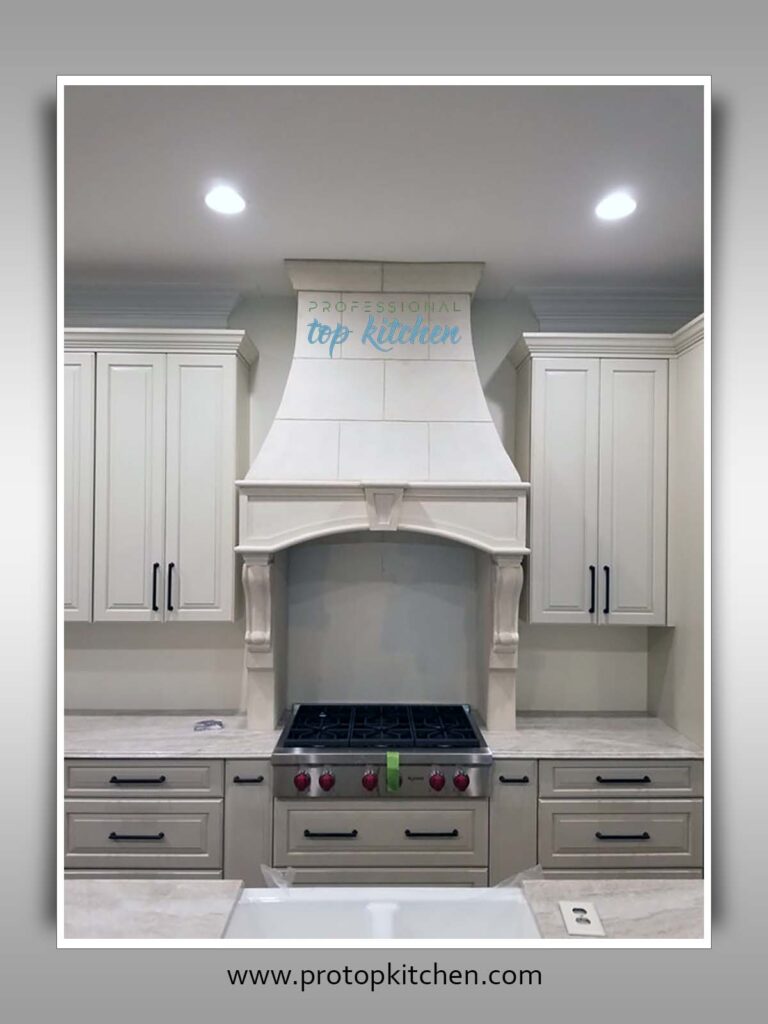
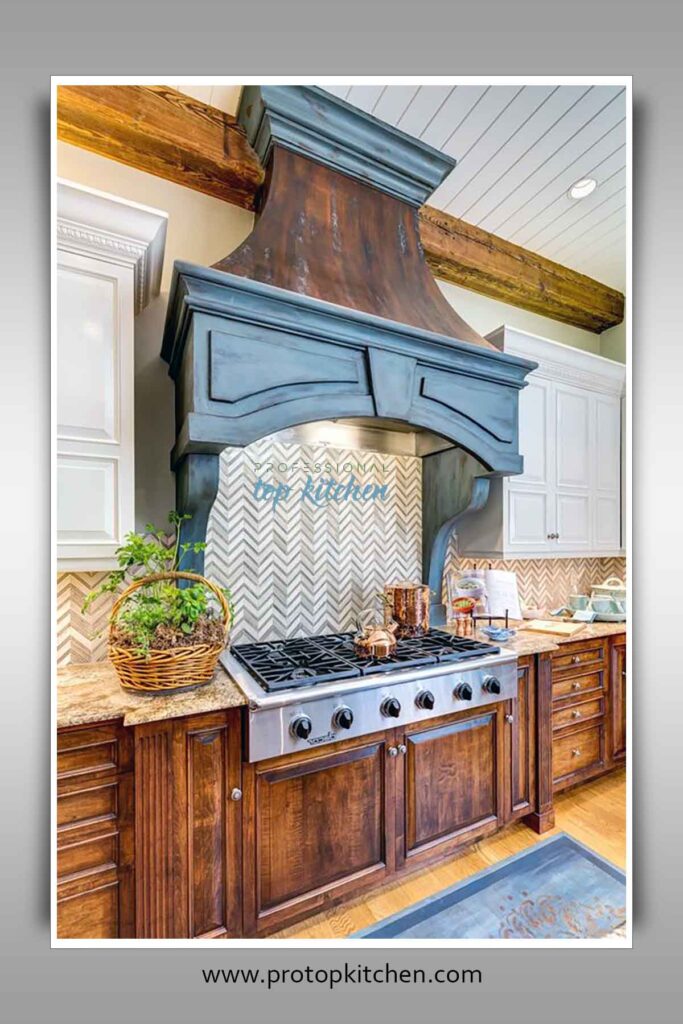
The evolution of hood technology has led to the development of more efficient and versatile appliances. From simple exhaust fans to sophisticated range hoods equipped with powerful motors, advanced filtration systems, and intelligent features, the options available today offer enhanced performance and convenience.
Types of Hoods
There are several types of hoods available on the market, each with its own set of features and benefits.
Ducted Range Hoods
Ducted range hoods, also known as vented hoods, expel air to the outside through a duct system. They are highly effective at removing smoke, grease, and odors from the kitchen and are suitable for homes with proper ventilation infrastructure.
Ductless Range Hoods
Ductless range hoods, also known as recirculating hoods, filter air through charcoal or carbon filters before recirculating it back into the kitchen. While they are less efficient than ducted hoods, they are suitable for kitchens where duct installation is not feasible.
Under Cabinet Hoods
Under cabinet hoods are installed beneath kitchen cabinets, providing space-saving ventilation solutions for compact kitchens. They are available in both ducted and ductless configurations and are ideal for stovetops located against a wall.
Wall-Mounted Hoods
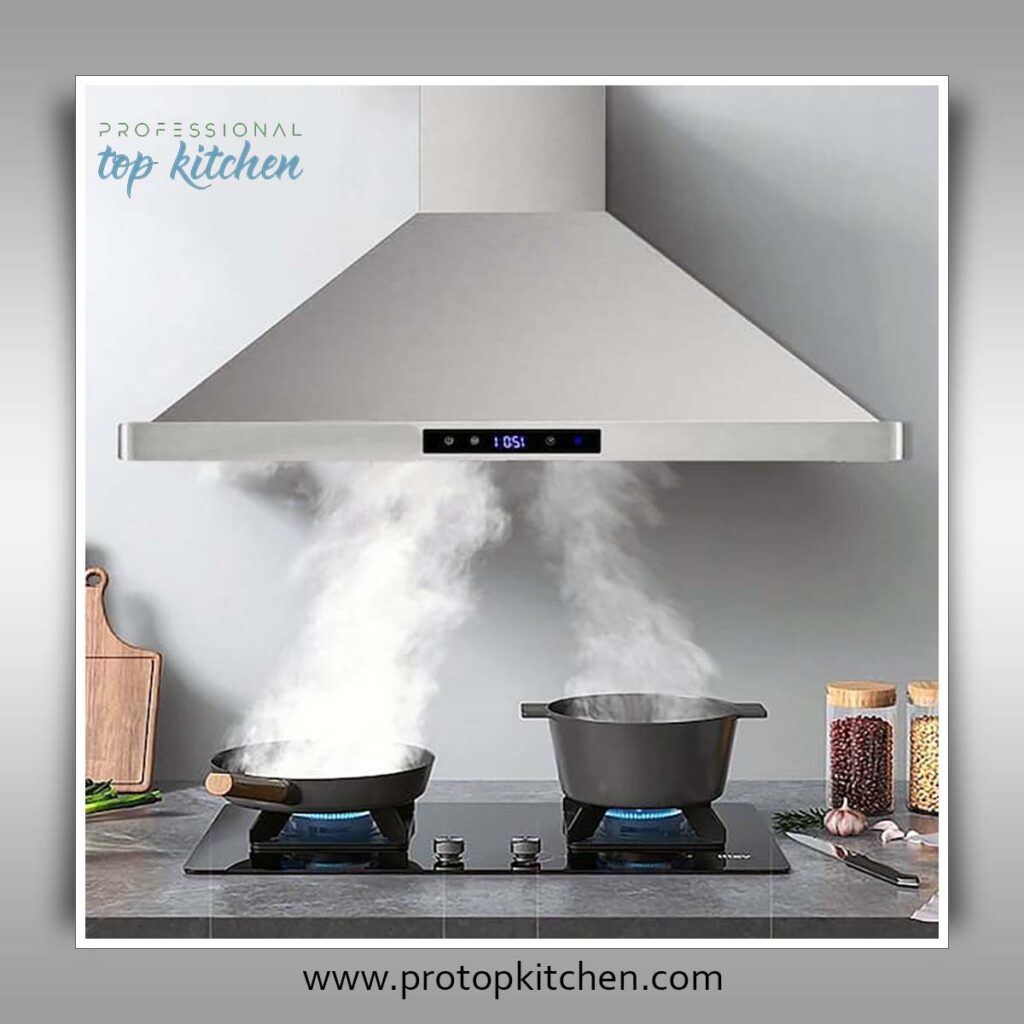
Wall-mounted hoods are installed directly onto the wall above the cooking area. They come in various designs and sizes to complement different kitchen styles and layouts and are suitable for both ducted and ductless installations.
Island Hoods
Island hoods are designed for kitchens with cooking islands or peninsula countertops. They are suspended from the ceiling and positioned over the cooktop, providing effective ventilation without the need for wall mounting.
Key Features to Consider
When choosing a hood for your kitchen, consider the following key features to ensure optimal performance and suitability for your needs.
Extraction Rate
The extraction rate, measured in cubic feet per minute (CFM), indicates how effectively the hood can remove air from the kitchen. Choose a hood with an extraction rate appropriate for the size of your kitchen and the intensity of your cooking.
Noise Level
Consider the noise level of the hood’s operation, especially if your kitchen is open to other living areas. Look for hoods with low decibel (dB) ratings to minimize disturbance while cooking.
Size and Coverage
Select a hood that adequately covers the cooking area to ensure effective ventilation. Consider the size of your stovetop or range and choose a hood with matching dimensions for optimal coverage.
Lighting
Look for hoods equipped with built-in lighting to illuminate the cooking area below. LED lights are energy-efficient and provide bright, clear illumination for cooking tasks.
Filter Type
Choose between mesh or baffle filters, depending on your preferences and cooking habits. Mesh filters are easy to clean but may require more frequent maintenance, while baffle filters offer superior grease-trapping capabilities.
Benefits of Hoods
Hoods offer several benefits that make them indispensable appliances in the kitchen.
Smoke and Odor Removal
Hoods effectively remove smoke, grease, and cooking odors from the kitchen, preventing them from lingering and permeating other areas of the home.
Improved Air Quality
By venting out pollutants and contaminants, hoods help maintain a cleaner and healthier indoor environment, reducing the risk of respiratory issues and unpleasant odors.
Protection for Kitchen Surfaces
Hoods help prevent grease buildup on kitchen surfaces, including walls, cabinets, and countertops, reducing the need for frequent cleaning and maintenance.
Maintenance and Care Tips
To ensure optimal performance and longevity, follow these maintenance and care tips for your hood.
Regular Cleaning
Clean the hood regularly to remove grease, dust, and debris buildup. Wipe down the exterior surfaces with a damp cloth and clean the filters according to the manufacturer’s instructions.
Filter Replacement
Replace the filters as needed to maintain efficient airflow and filtration. Mesh filters may need to be replaced more frequently than baffle filters, depending on usage.
Inspection and Repair
Periodically inspect the hood for signs of damage or wear and tear, such as loose screws, damaged fan blades, or worn-out motors. Address any issues promptly to prevent further damage and ensure continued functionality.
Buying Guide
When shopping for a hood, consider the following factors to make an informed decision.
Budget Considerations
Determine your budget and explore hood options within your price range. Consider the long-term benefits of investing in a high-quality hood with durable construction and advanced features.
Kitchen Layout and Design
Take into account your kitchen layout and design when choosing a hood style and configuration. Consider factors such as ceiling height, cabinet placement, and available ventilation options.
Brand Reputation
Research reputable hood brands known for quality, reliability, and customer satisfaction. Read reviews, seek recommendations, and compare warranties to ensure peace of mind with your purchase.
Energy Efficiency
Choose an energy-efficient hood that helps reduce electricity consumption and lower utility bills. Look for models with Energy Star certification and features such as variable speed settings and automatic shut-off timers.