1. Introduction to Refrigerators
Definition and Purpose
Refrigerators, commonly referred to as fridges, are cooling appliances designed to preserve food by maintaining low temperatures. They prevent bacterial growth and slow down the process of food spoilage, thus extending the shelf life of perishable items.
Evolution of Refrigerators
The concept of refrigeration dates back centuries, with early methods involving natural ice and underground storage. However, the modern refrigerator as we know it today emerged in the early 20th century with the invention of electric refrigeration units.
2. Types of Refrigerators
Single Door Refrigerators
Single door refrigerators are compact and suitable for small kitchens or single-person households. They typically feature a single door for both the freezer and refrigerator compartments.
Double Door Refrigerators
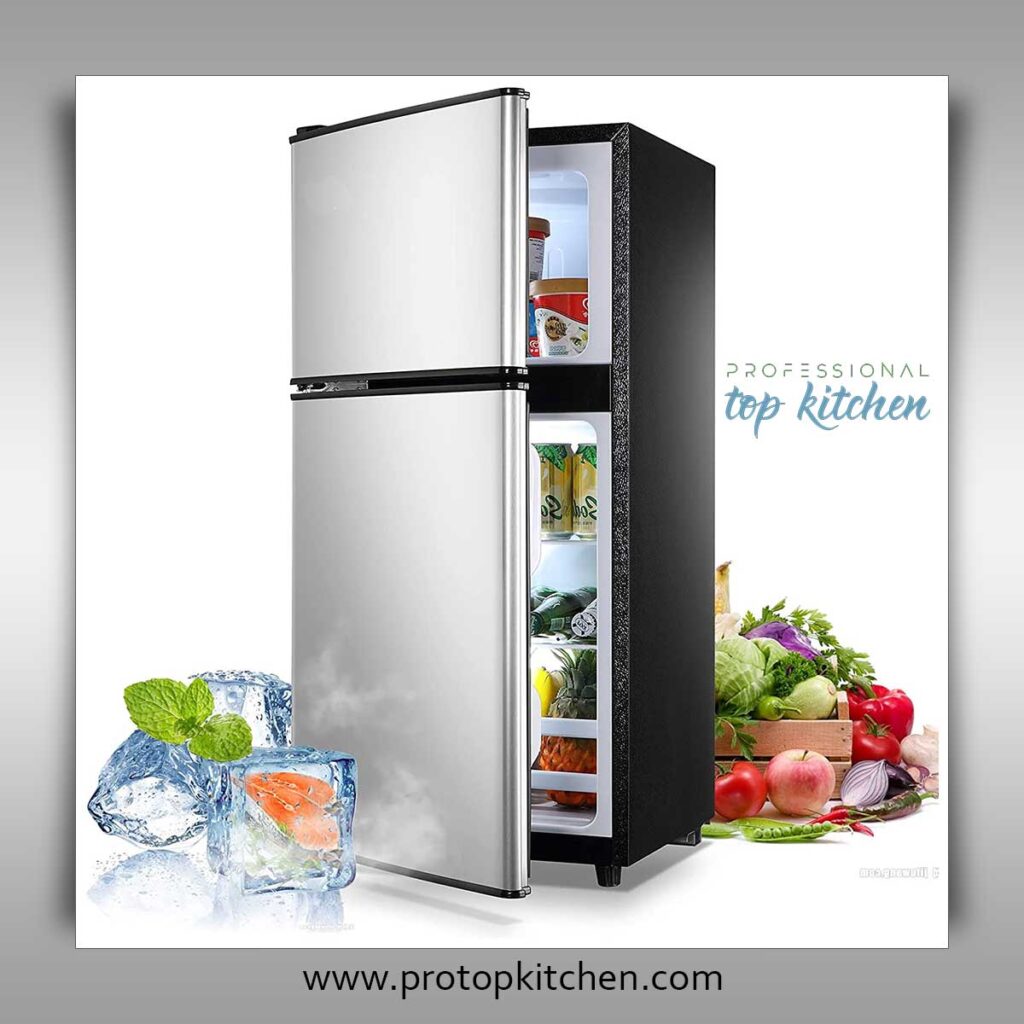
Double door refrigerators, also known as top-mount refrigerators, have separate doors for the freezer and refrigerator sections. They offer more storage space and organization options compared to single door models.
Side-by-Side Refrigerators
Side-by-side refrigerators feature vertical doors that open from the center, with the freezer on one side and the refrigerator on the other. They provide ample storage space and easy access to both compartments.
3. Key Features to Consider
Capacity and Size
When choosing a refrigerator, consider your storage needs and the available space in your kitchen. Opt for a size and capacity that accommodates your family’s food storage requirements without overcrowding the kitchen.
Energy Efficiency
Look for refrigerators with energy-efficient ratings to minimize electricity consumption and reduce utility bills. Energy-efficient models often come with features such as LED lighting and digital temperature controls.
Cooling Technology
Advanced cooling technologies, such as frost-free systems and multi-airflow, ensure uniform cooling throughout the refrigerator, preserving food freshness and minimizing frost buildup.
4. Benefits of Refrigerators
Food Preservation
Refrigerators help prevent food spoilage by maintaining low temperatures, slowing down bacterial growth, and preserving the quality of perishable items such as fruits, vegetables, dairy, and meats.
Convenience
With a refrigerator, you can conveniently store and organize food items, reducing the need for frequent grocery shopping and minimizing food waste.
Energy Savings
Energy-efficient refrigerators consume less electricity, resulting in long-term cost savings and environmental benefits. They utilize advanced technologies to optimize cooling performance while minimizing power consumption.
5. Maintenance and Care Tips
Cleaning
Regular cleaning of the refrigerator interior, shelves, and door seals helps maintain hygiene and prevents odors. Use mild soap and water for cleaning and avoid harsh chemicals that may damage the appliance.
Temperature Settings
Set the refrigerator and freezer temperatures according to manufacturer recommendations to ensure optimal food storage conditions. Monitor temperature settings regularly and adjust as needed based on seasonal changes.
Troubleshooting Common Issues
Learn to identify and troubleshoot common refrigerator issues such as excessive frost buildup, cooling problems, and unusual noises. Refer to the user manual or seek professional assistance for complex repairs.
6. Buying Guide
Budget Considerations
Determine your budget and explore refrigerators within your price range. Consider long-term savings from energy-efficient models and factor in additional features that align with your needs.
Brand Reputation
Research reputable refrigerator brands known for quality, reliability, and customer satisfaction. Read reviews, seek recommendations, and compare warranties before making a purchase decision.
Additional Features
Look for additional features such as adjustable shelves, humidity-controlled crisper drawers, ice and water dispensers, and smart technology integration for enhanced convenience and functionality.