The Importance of a Tea Maker in the Kitchen
Having a tea maker in your kitchen streamlines the tea brewing process, allowing for precise control over temperature and brewing time. This ensures that you can enjoy a perfect cup of tea every time, tailored to your specific taste preferences.
Types of Tea Makers
There are several types of tea makers available, each with its unique advantages.
Electric Tea Makers
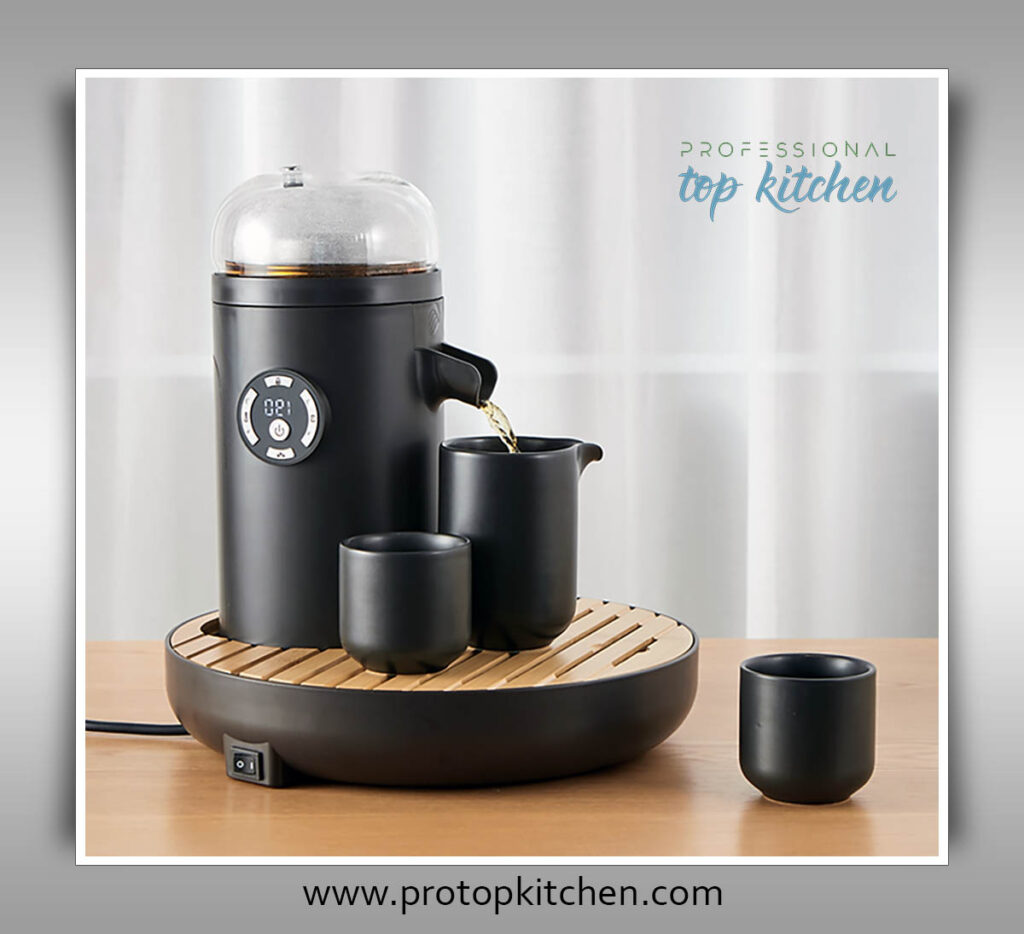
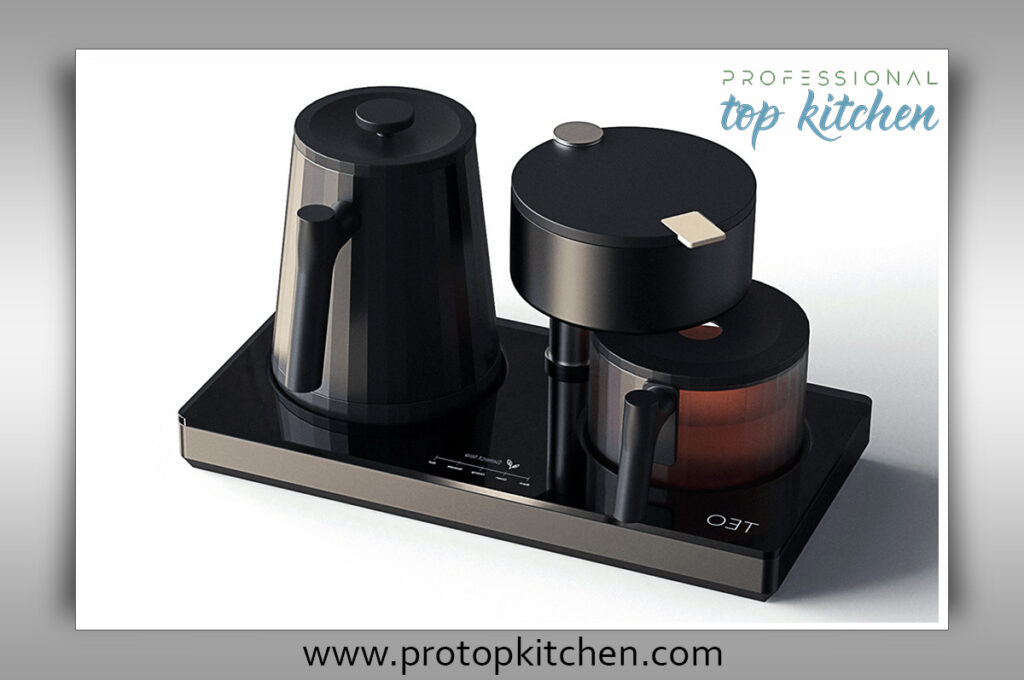
Electric tea makers are convenient and often come with adjustable temperature settings, making them ideal for brewing various types of tea.
Stovetop Tea Kettles
Stovetop kettles are traditional and durable, perfect for those who enjoy the ritual of brewing tea on the stove.
Tea Infusers
Tea infusers are simple and portable, allowing you to steep loose leaf tea directly in your cup or teapot.
Combination Coffee and Tea Makers
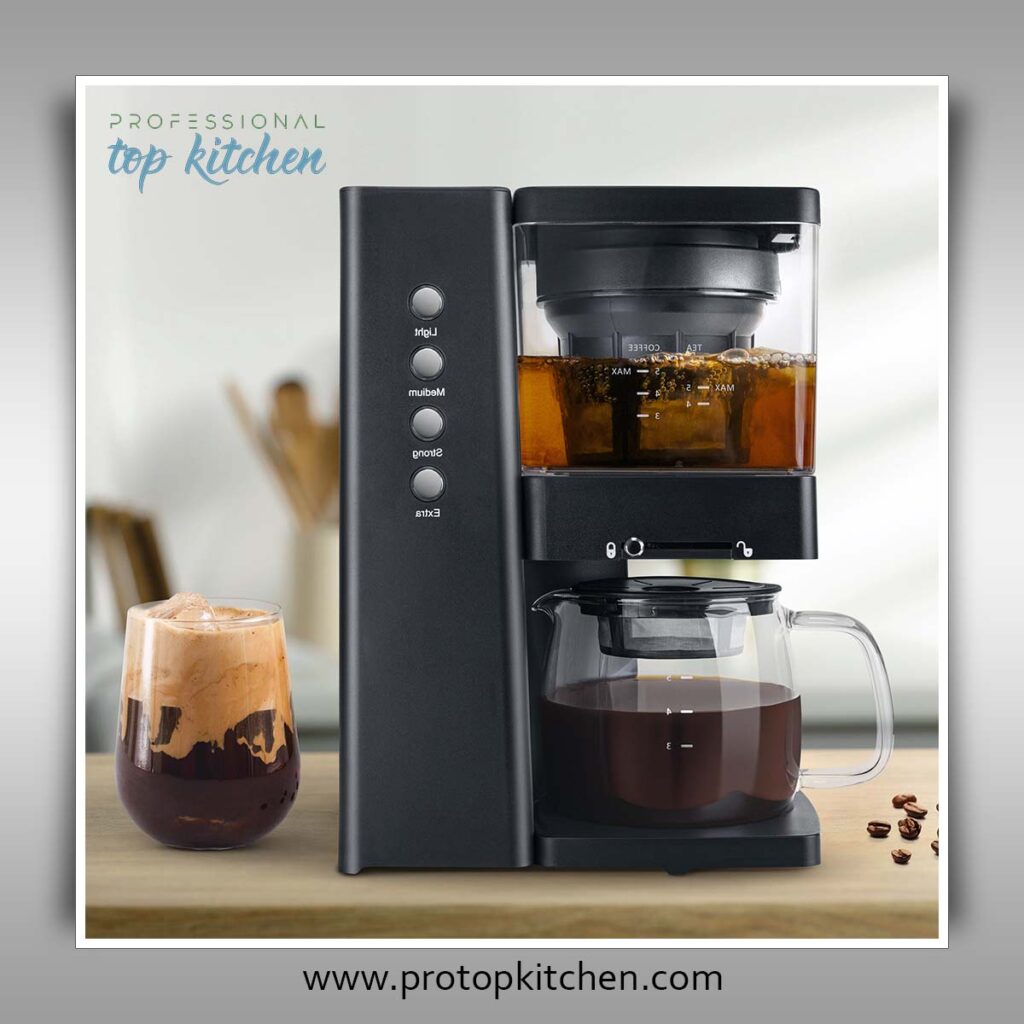
These versatile appliances can brew both coffee and tea, making them perfect for households with diverse beverage preferences.
Choosing the Right Tea Maker for Your Kitchen
Selecting the right tea maker involves considering your personal tea habits and kitchen setup.
Assessing Your Tea Drinking Habits
Consider how often you drink tea and the types of tea you enjoy. This will help determine whether you need a basic infuser or a more advanced electric tea maker with temperature control.
Kitchen Space Considerations
Evaluate the available counter space in your kitchen. Compact models are ideal for smaller kitchens, while larger tea makers require more room.
Budget and Features
Tea makers range from affordable to high-end models with advanced features. Decide which features are essential for you, such as temperature control, brewing speed, and design.
Features to Look for in a Tea Maker
Temperature Control
Different types of tea require different brewing temperatures. A tea maker with temperature control allows you to brew each type to perfection.
Brewing Speed
The speed at which a tea maker brews can be crucial, especially for those who need a quick cup in the morning.
Capacity
Choose a tea maker with a capacity that suits your needs, whether it’s a single cup or a pot for multiple servings.
Design and Aesthetics
Select a tea maker that complements your kitchen’s design. Stainless steel, glass, and ceramic models offer different aesthetic appeals.
Ease of Cleaning
A tea maker that is easy to clean will ensure that you use it regularly without hassle. Look for removable parts and dishwasher-safe components.
Integrating a Tea Maker into Your Kitchen Design
A well-placed tea maker enhances both the functionality and look of your kitchen.
Counter Space Allocation
Ensure there is enough counter space to accommodate your tea maker and allow for safe usage.
Aesthetic Harmony
Choose a design that matches your kitchen’s decor. Sleek, modern tea makers can add a touch of elegance, while classic designs offer a timeless appeal.
Accessibility and Convenience
Place your tea maker in a convenient location near a power outlet and other kitchen essentials like mugs and tea storage.
Maintenance and Cleaning
Regular maintenance ensures your tea maker operates efficiently and lasts longer.
Regular Cleaning Tips
Clean the tea maker’s exterior and interior regularly to prevent build-up and maintain its appearance.
Descaling Procedures
Descale your tea maker periodically to remove mineral deposits. Use a descaling solution or a mixture of vinegar and water.
Handling Residue and Build-Up
Tea can leave behind residue and build-up over time. Use a soft brush or cloth to clean hard-to-reach areas and prevent residue accumulation.
Tips for Efficient Use
Optimal Water Levels
Only fill the tea maker with the amount of water you need to save energy and reduce brewing time.
Pre-Brewing Preparation
For faster brewing, use warm water from the tap or pre-boil a small amount of water first.
Energy Efficiency
Choose an energy-efficient model and avoid re-boiling water multiple times to save energy.
Common Issues and Troubleshooting
Even the best tea makers can encounter problems. Here are some common issues and how to fix them.
Tea Maker Not Heating
Check the power connection and ensure the tea maker is properly seated on its base. If the problem persists, consult the user manual or contact customer service.
Off Taste or Odor
Regular cleaning and descaling can prevent this issue. If the problem continues, consider changing the water source or using a filter.
Leaks and Overflows
Inspect seals and joints for wear and tear. Ensure the lid is properly closed and not overfilled.