Evolution of Washing Machine Technology
From the earliest hand-cranked washers to today’s high-tech models with advanced features, washing machine technology has come a long way. Innovations in water efficiency, energy consumption, and washing performance have made modern washing machines indispensable appliances in every kitchen.
Types of Washing Machines
Washing machines come in various types and configurations to suit different laundry needs and space constraints.
Top-Loading Washing Machines
Top-loading washing machines feature a vertical drum design, allowing users to load and unload laundry from the top. They’re known for their ease of use and affordability, making them popular choices for many households.
Front-Loading Washing Machines
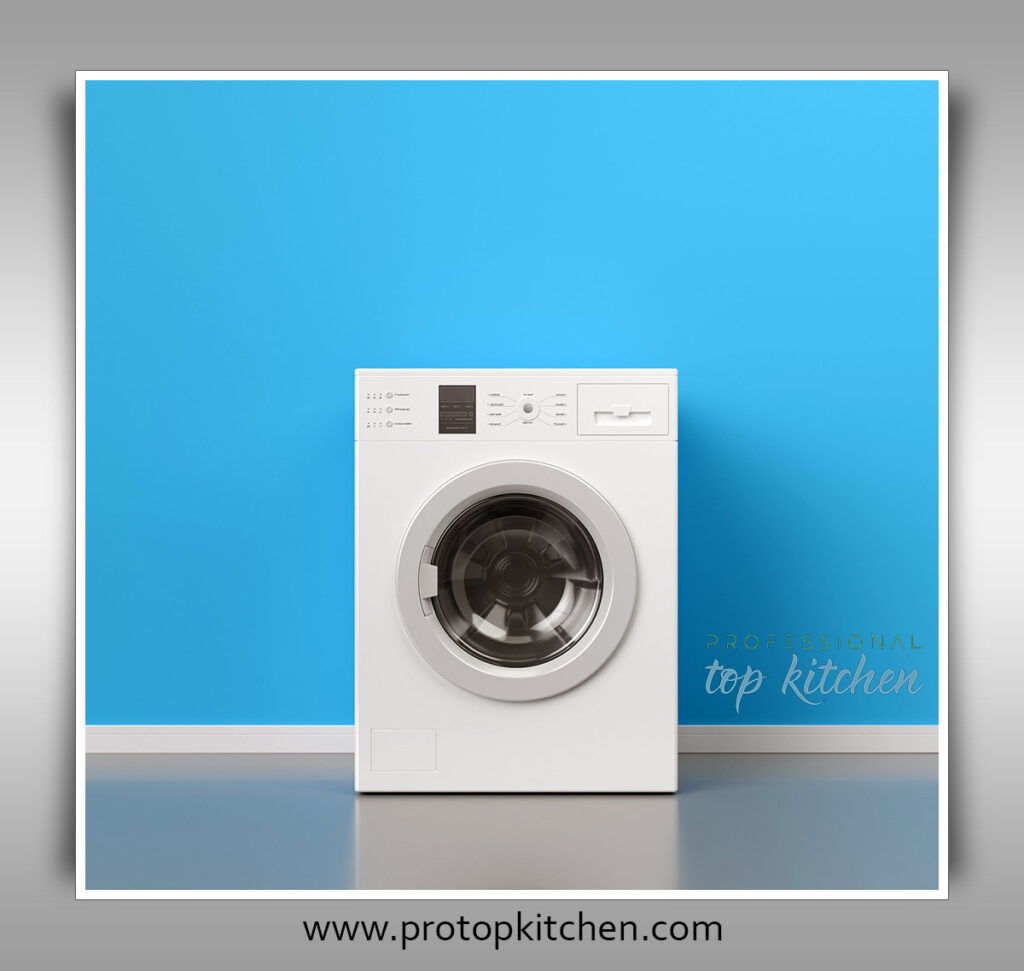
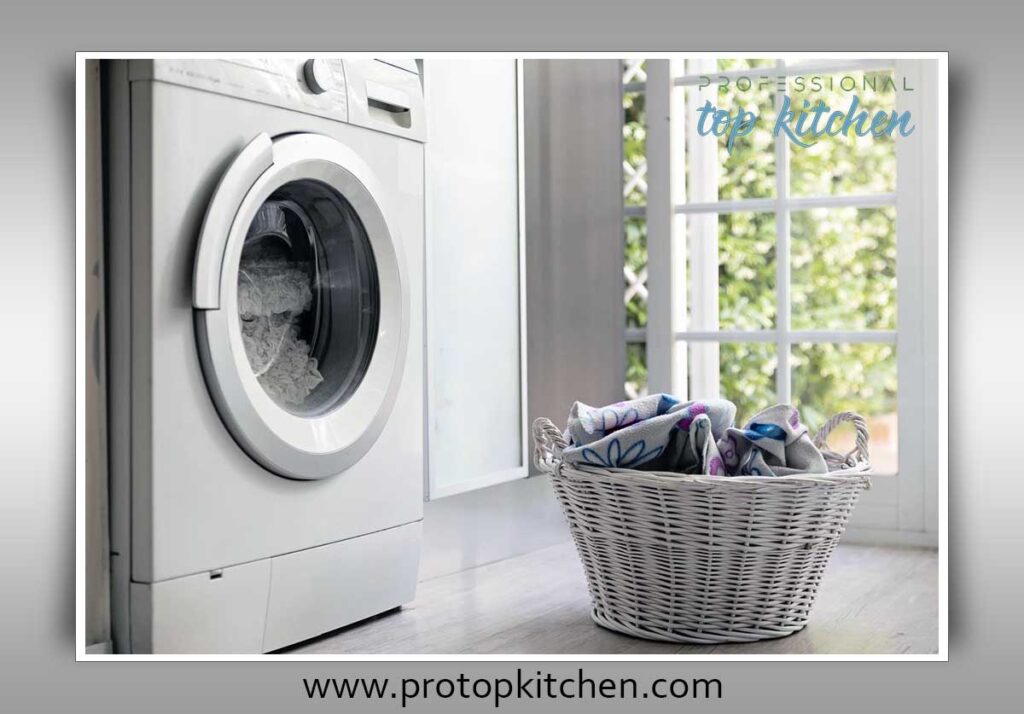
Front-loading washing machines have a horizontal drum design that allows laundry to be loaded and unloaded from the front. They offer superior cleaning performance, water efficiency, and energy savings compared to top-loading models.
Compact Washing Machines
Compact washing machines are ideal for small kitchens or apartments where space is limited. They feature a smaller footprint without compromising on washing capacity or performance, making them perfect for urban dwellers or single-person households.
Washer-Dryer Combos
Washer-dryer combos combine washing and drying functions into a single unit, saving space and eliminating the need for a separate dryer. They’re convenient for homes with limited space or for those seeking an all-in-one laundry solution.
Key Features to Consider
When choosing a washing machine, consider the following key features to ensure it meets your laundry needs and preferences.
Capacity and Load Size
Select a washing machine with sufficient capacity to accommodate your typical laundry load. Consider factors such as family size, laundry frequency, and types of clothing to determine the appropriate capacity for your needs.
Wash Cycles and Options
Look for washing machines with a variety of wash cycles and options to accommodate different fabric types and soil levels. Common wash cycles include normal, delicate, heavy-duty, and quick wash, providing flexibility in cleaning performance.
Energy Efficiency
Choose an energy-efficient washing machine with a high Energy Star rating to minimize water and energy consumption. Look for features such as load-sensing technology, cold water wash options, and high-speed spin cycles to optimize energy efficiency.
Noise Level
Consider the noise level of the washing machine’s operation, especially if it’s located near living areas or bedrooms. Look for washing machines with low decibel (dB) ratings for quiet operation, particularly during nighttime or early morning hours.
Installation Options
Evaluate the installation options available for the washing machine, including freestanding, integrated, or stackable models. Choose the installation type that best fits your kitchen layout, space constraints, and aesthetic preferences.
Benefits of Washing Machines
Washing machines offer several benefits that make them indispensable appliances in every kitchen.
Time Saving
Automating the laundry process saves valuable time and effort, allowing users to focus on other household tasks or activities. Washing machines enable users to wash multiple loads simultaneously, reducing overall laundry time.
Water Saving
Modern washing machines are designed to optimize water usage while ensuring optimal cleaning performance. Features such as load-sensing technology, adjustable water levels, and efficient wash cycles help minimize water waste and conserve resources.
Energy Saving
Energy-efficient washing machines consume less electricity and water compared to conventional models, resulting in lower utility bills and reduced environmental impact. Features such as cold water wash options, high-speed spin cycles, and eco-friendly wash cycles contribute to energy savings.
Maintenance and Care Tips
To keep your washing machine in top condition and ensure optimal performance, follow these maintenance and care tips.
Cleaning
Regularly clean the interior and exterior surfaces of the washing machine to remove detergent residue, lint, and debris. Wipe down the door seal, drum, and detergent dispenser with a damp cloth or mild soap and water.
Filter Maintenance
Inspect and clean the washing machine’s filters regularly to remove lint, debris, and mineral deposits that may clog the drain or impede water flow. Refer to the manufacturer’s instructions for filter removal, cleaning, and reinstallation procedures.
Door Seal Inspection
Check the door seal or gasket for signs of wear, damage, or mold growth that may compromise the washing machine’s sealing performance. Clean the door seal with a damp cloth and mild detergent, and replace it if damaged or deteriorated to prevent water leaks or air leaks during operation.
Buying Guide
When purchasing a washing machine, consider the following factors to make an informed decision.
Budget Considerations
Determine your budget and explore washing machine options within your price range. Consider long-term savings from energy-efficient models and factor in additional features that align with your laundry needs and preferences.
Laundry Needs and Family Size
Take into account your laundry needs and family size when choosing the capacity and features of the washing machine. Consider factors such as the number of occupants in your household, types of clothing you typically wash, and frequency of laundry loads.
Brand Reputation
Research reputable washing machine brands known for quality, reliability, and customer satisfaction. Read reviews, seek recommendations, and compare warranties to ensure peace of mind with your purchase.
Additional Features
Explore additional features and options available for washing machines, such as steam cleaning, stain removal cycles, adjustable spin speeds, and smart connectivity. Choose a washing machine with features that align with your laundry habits, lifestyle, and preferences.